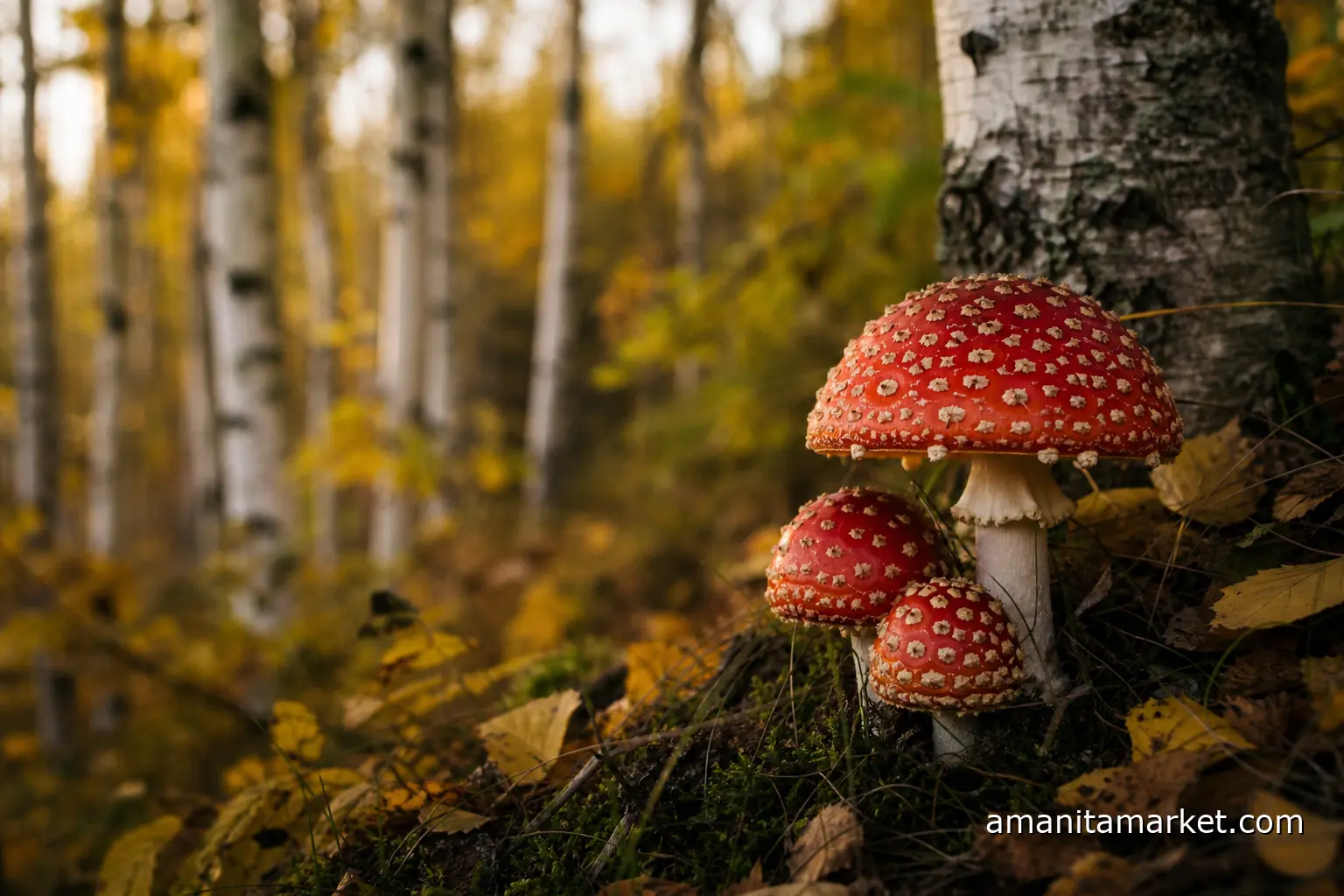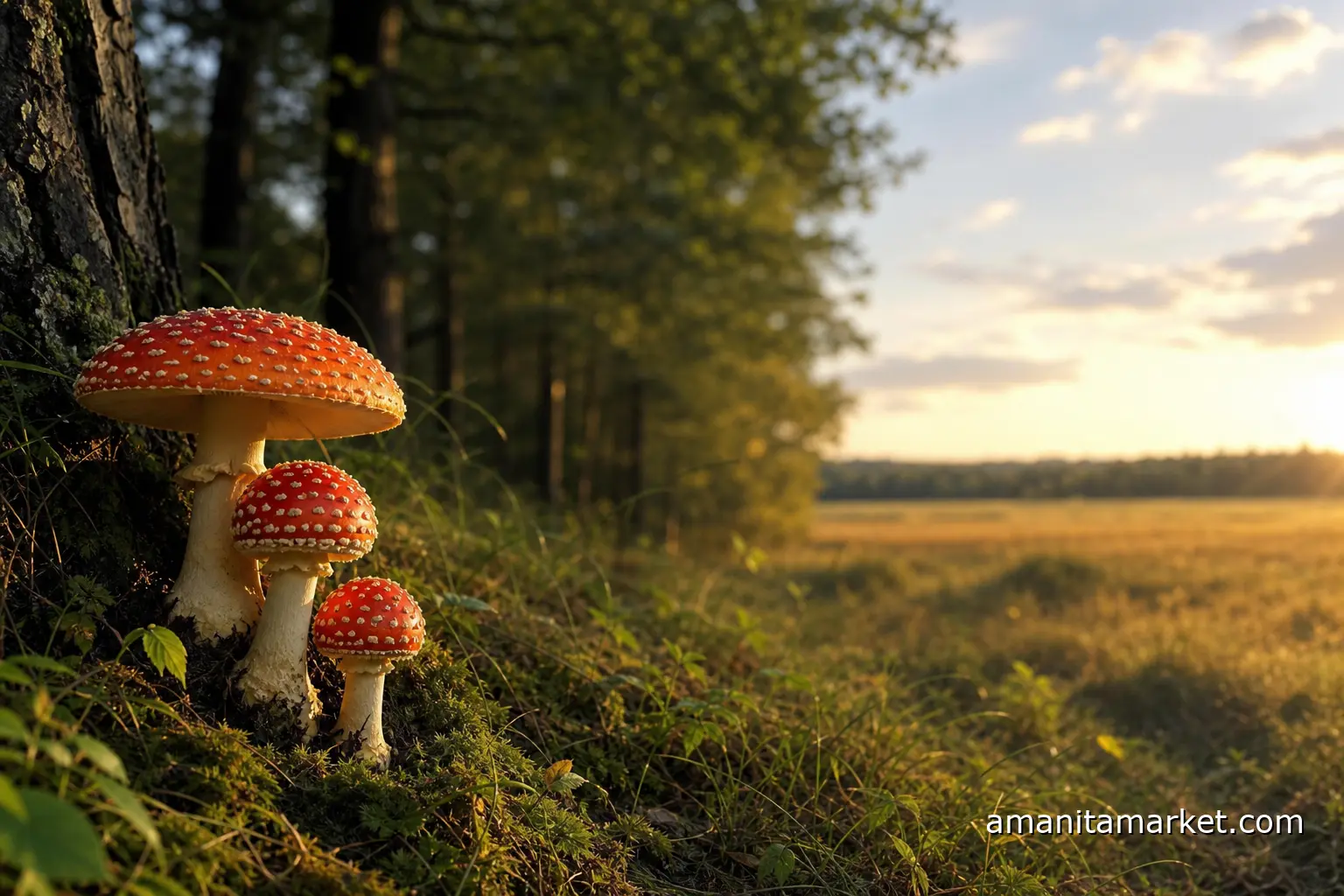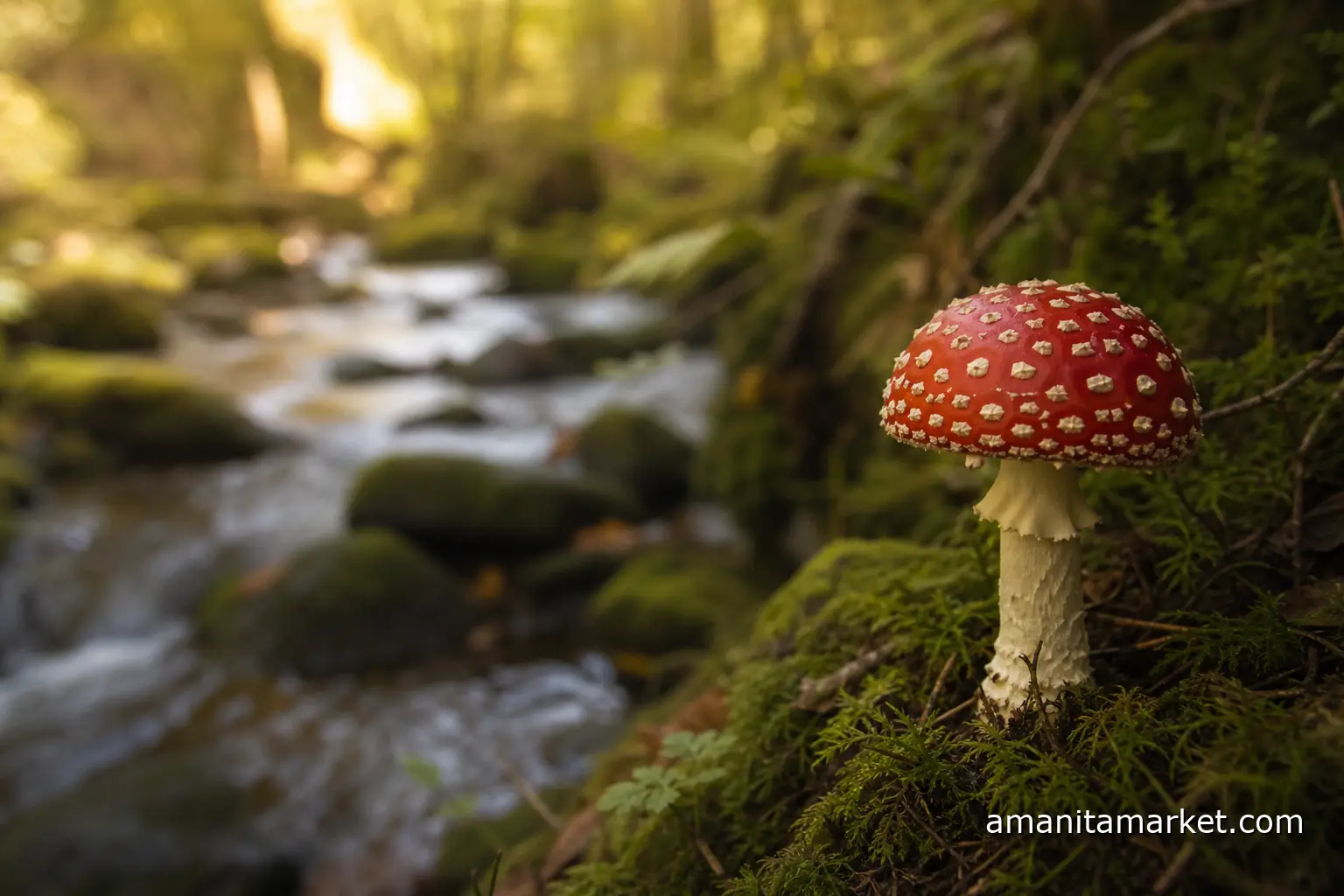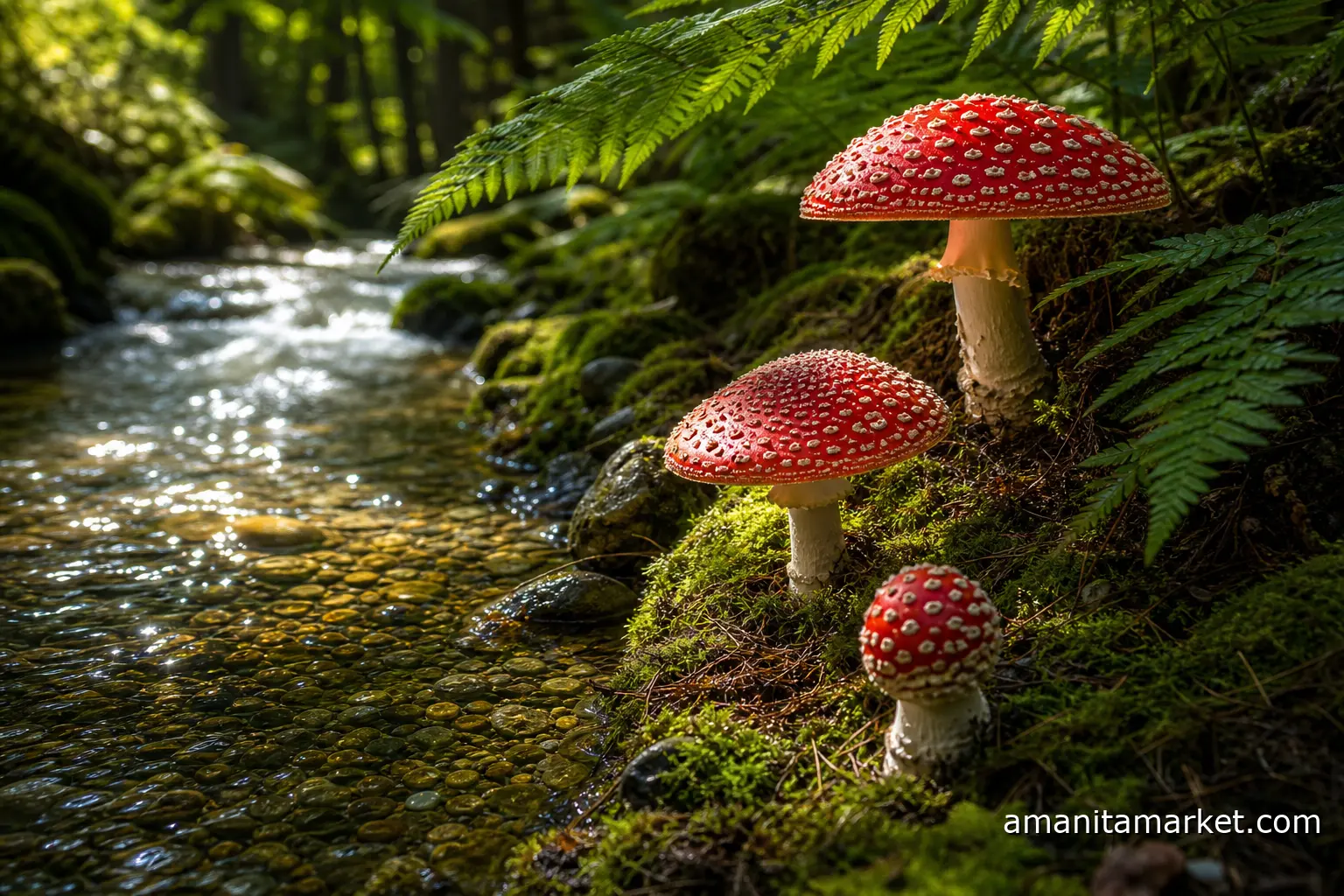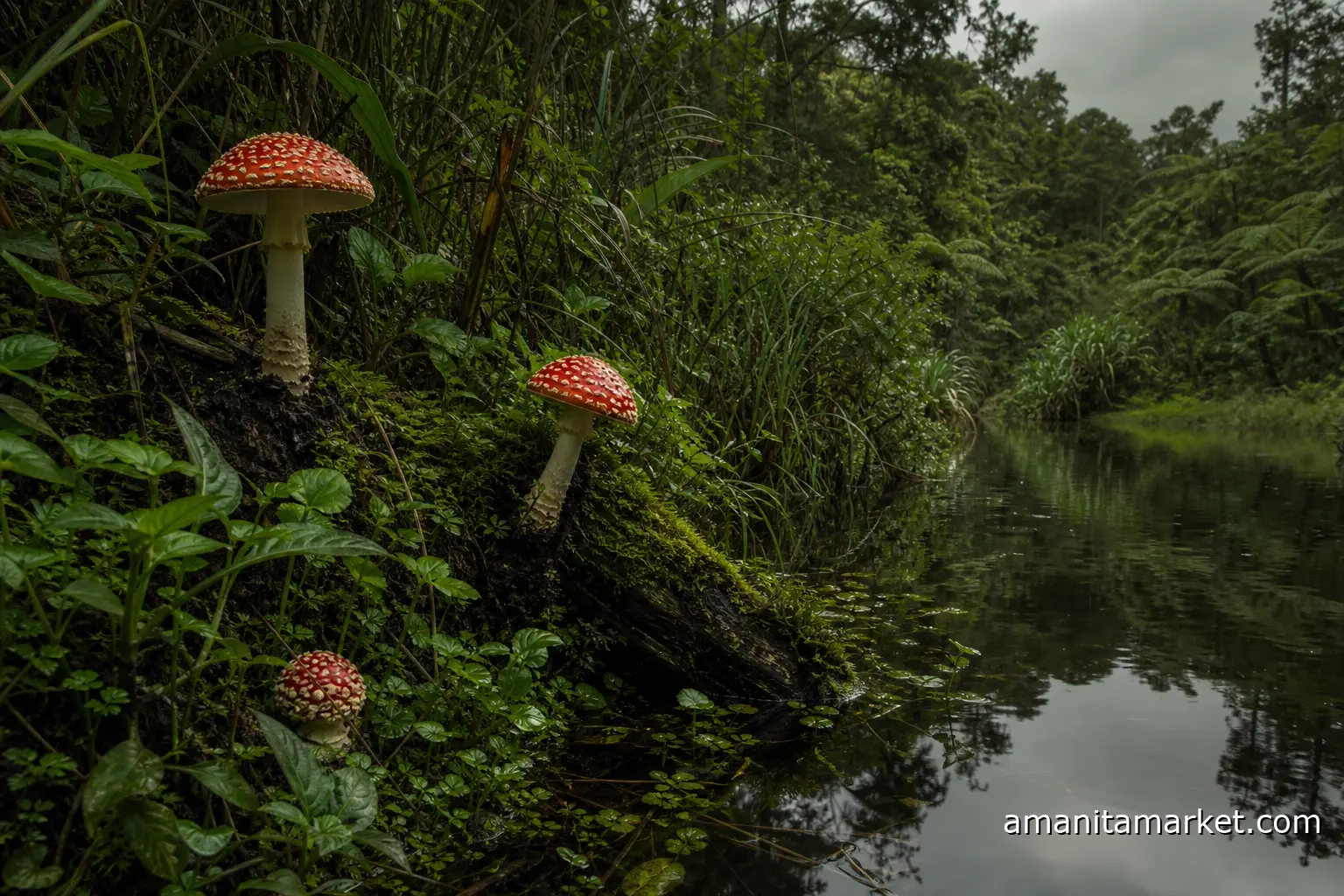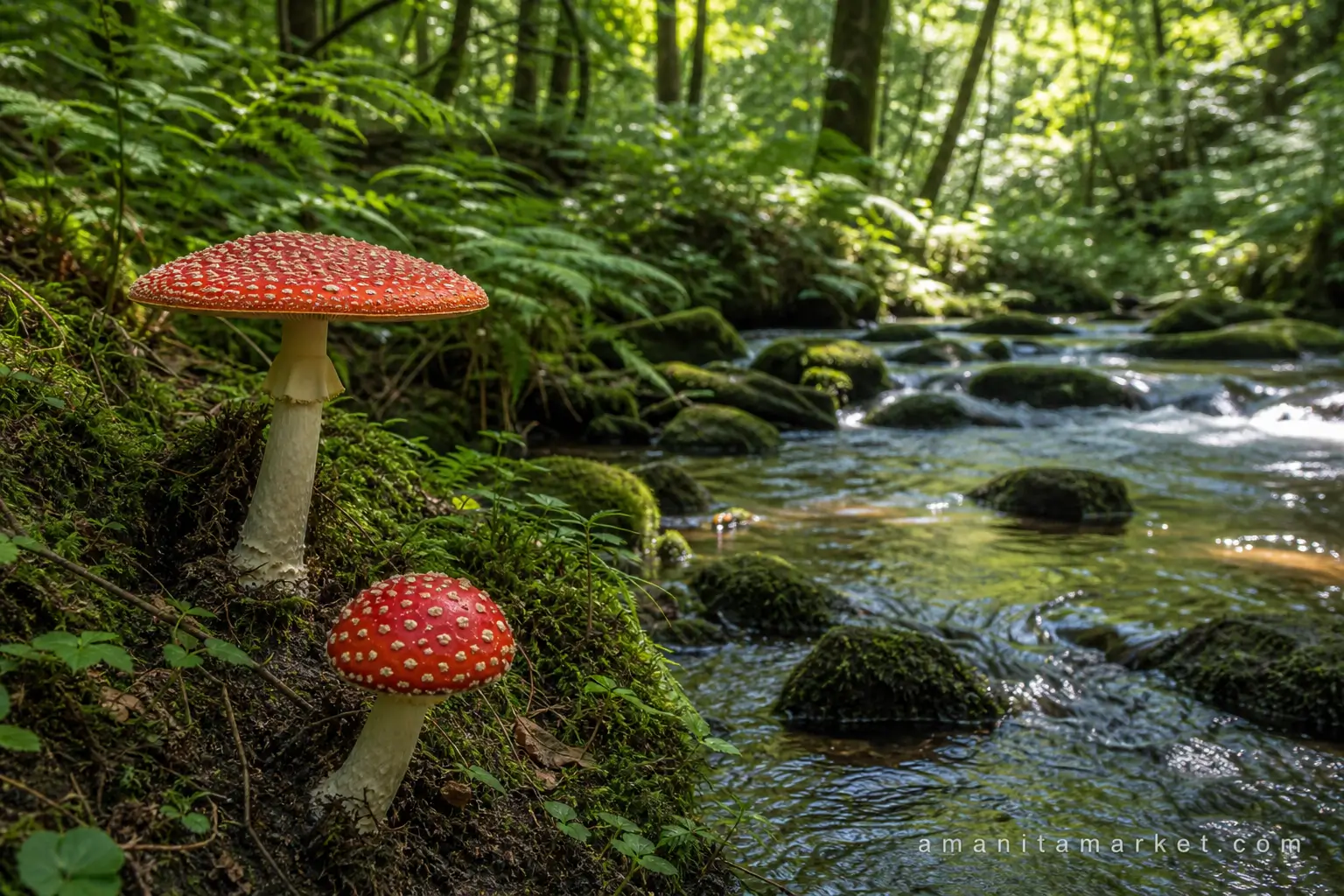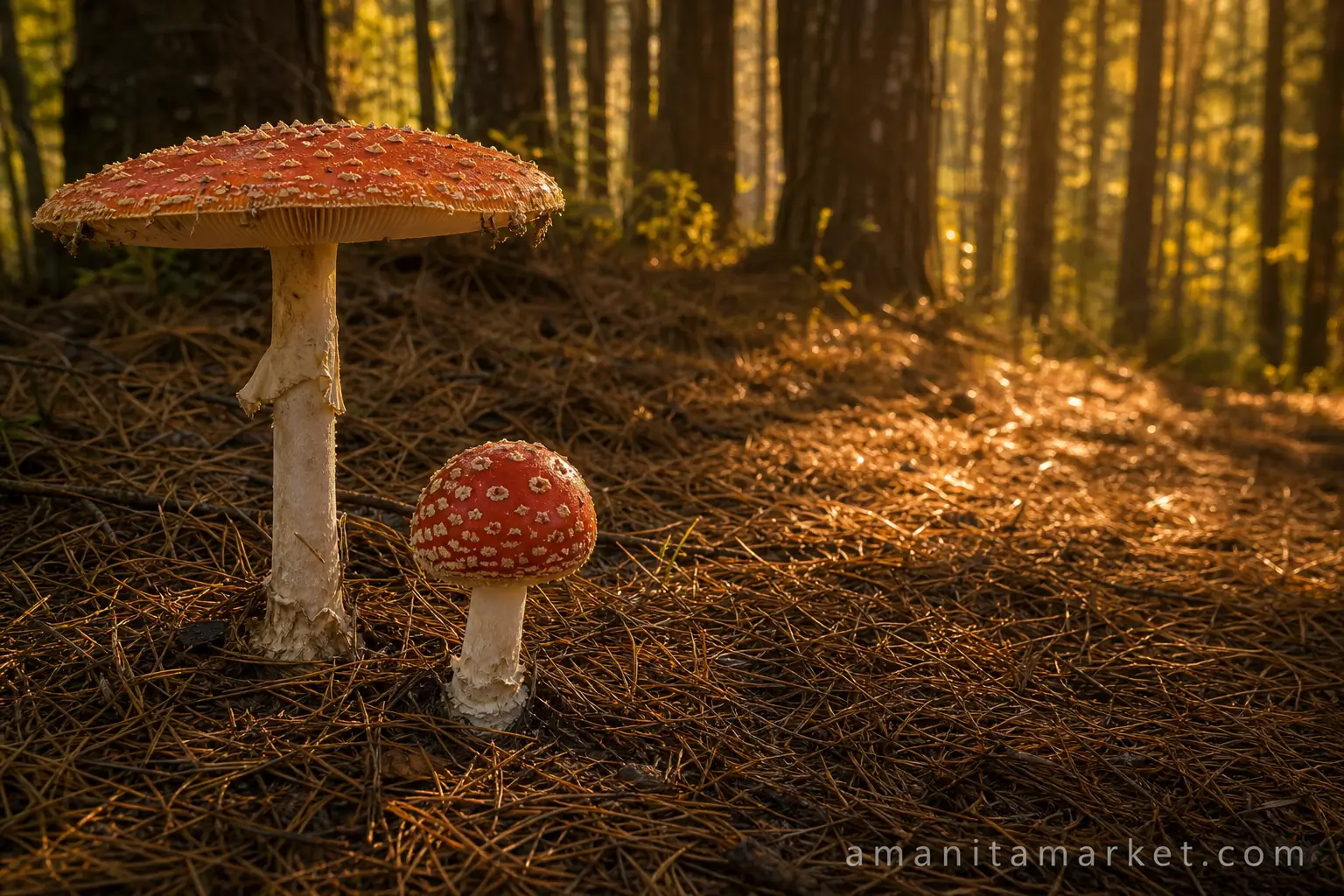
Three Amanita muscaria mushrooms bogland water pools — fly agaric South America distribution global range

Fly Agaric in South America: Absence, Introduction and Amazon Context

The Amazon rainforest is the world’s most biodiverse ecosystem — and one where Amanita muscaria is conspicuously absent. Fly agaric is a temperate and boreal species that requires specific tree partners and specific climate conditions. But South America is home to its own remarkable Amanita species, and the broader cultural relationship between Amazonian peoples and […]

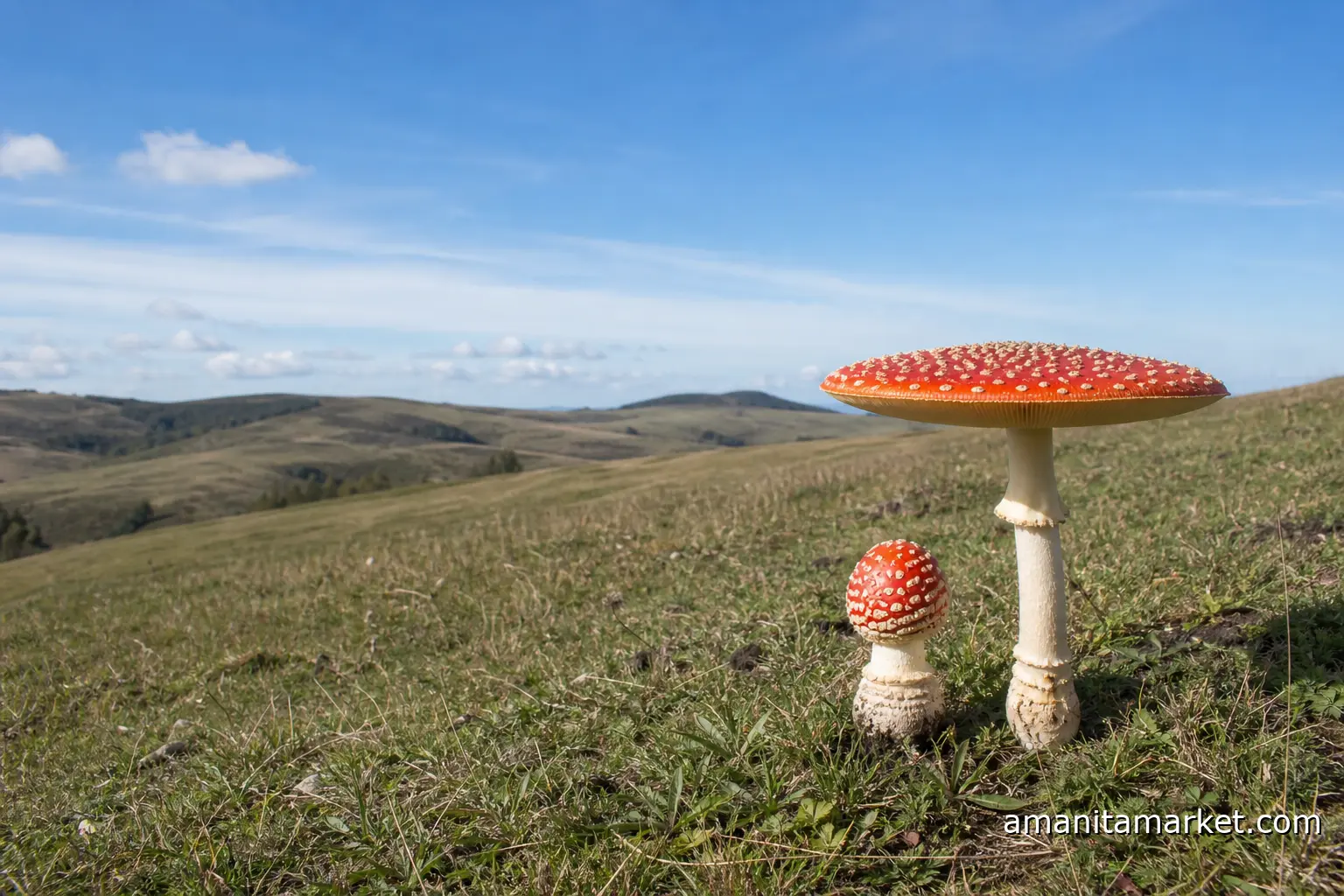
Two Amanita muscaria mushrooms hillslope panorama — Diamond Shruumz FDA muscimol 2024 recall context

Diamond Shruumz, the FDA and Muscimol: What Actually Happened

The Diamond Shruumz product recalls of 2024 became one of the most significant events in the recent history of muscimol-containing products — and one of the most important case studies for understanding the difference between legitimate ethnobotanical products and dangerous adulterated goods. The incident had nothing to do with traditional dried fly agaric, but it […]

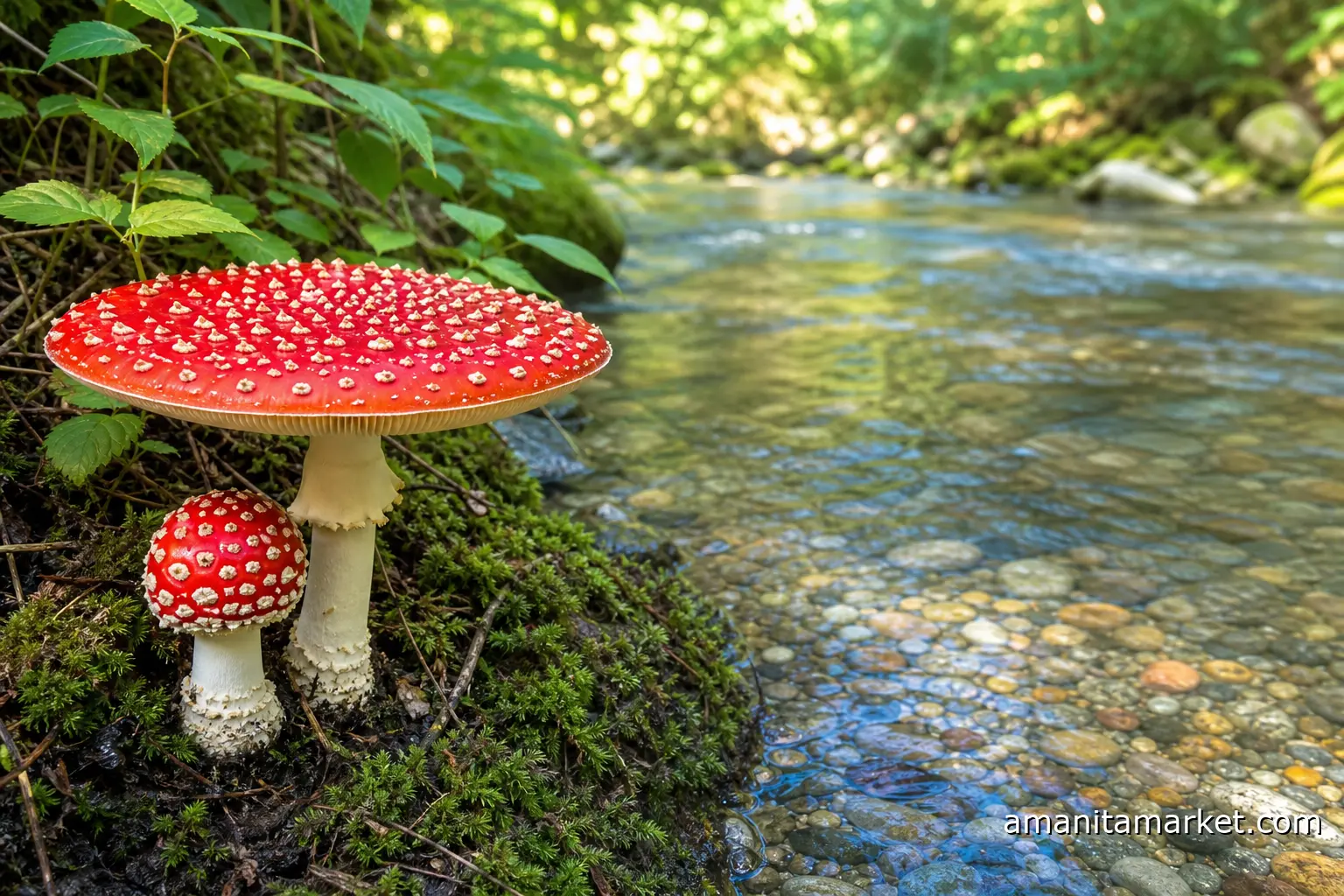
Two Amanita muscaria mushrooms streamside stones dappled light — is fly agaric a magic mushroom distinction psilocybin

Is Fly Agaric a Magic Mushroom? The Important Distinction

The phrase “magic mushroom” is used so loosely in popular culture that it has become genuinely confusing. In scientific and regulatory language, “magic mushroom” refers specifically to psilocybin-containing fungi — primarily Psilocybe cubensis and related species. Amanita muscaria is not a magic mushroom in this sense. Understanding why this distinction matters — legally, pharmacologically, and […]

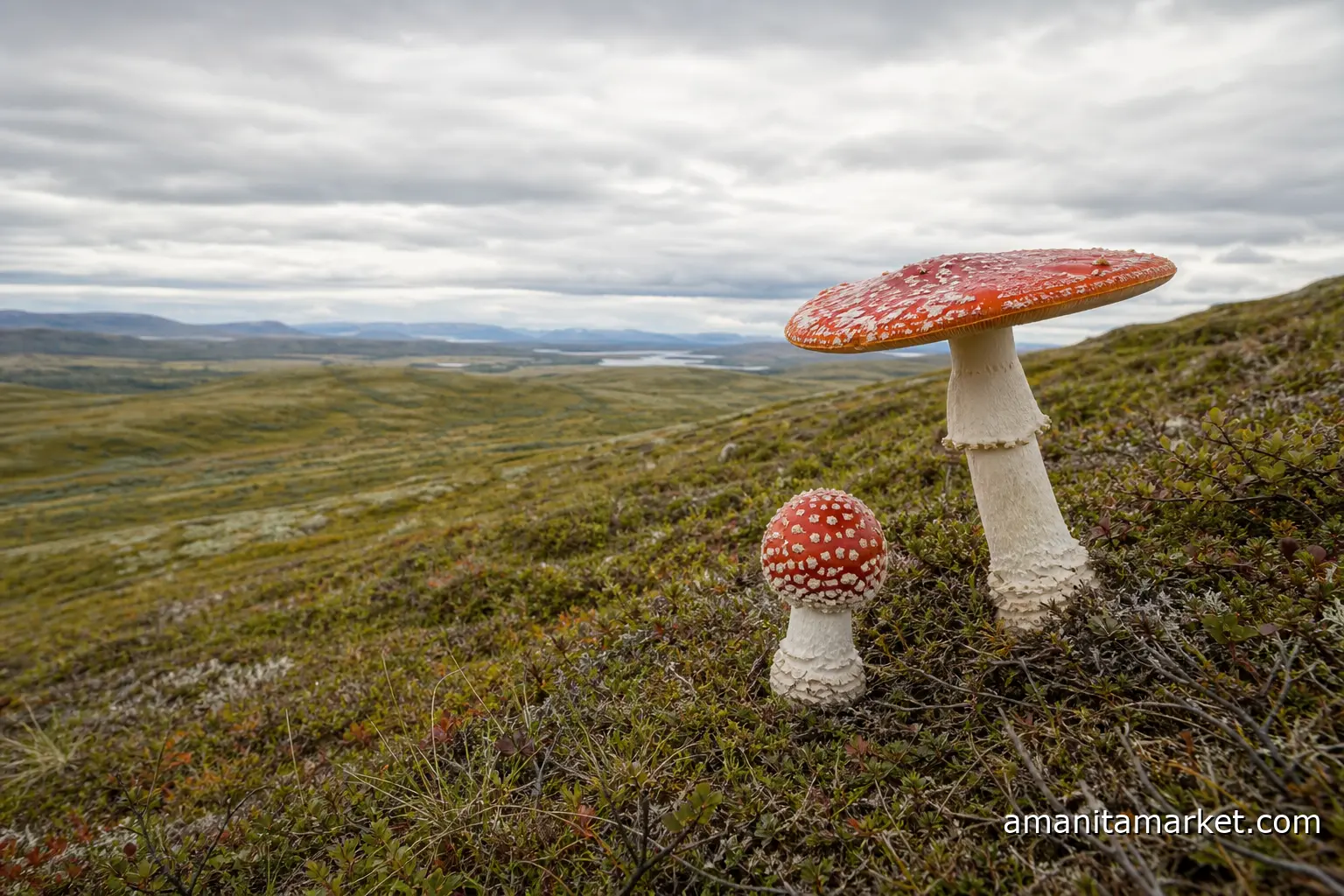
Two Amanita muscaria mushrooms open hillside panorama — fly agaric reindeer connection northern cultures

Fly Agaric and Reindeer: An Ancient Connection

The relationship between reindeer and Amanita muscaria is one of the stranger documented facts in natural history — and one of the more intriguing threads in the cultural history of the fly agaric. Reindeer actively seek out and consume the mushroom, apparently with enthusiasm. This behaviour has shaped how northern peoples understood the mushroom for […]

Two Amanita muscaria mushrooms streamside moss stones — amanita muscaria ethnobotanical product Baltic wild harvest

Amanita Muscaria as an Ethnobotanical Product: What It Is and Why It Matters

Amanita muscaria occupies a unique position in the world of botanical products. It is not a herb, not a spice, not a supplement — it is something older and harder to categorise: a mushroom with one of the longest documented relationships with human culture of any natural object on Earth. Understanding what kind of product […]

Two Amanita muscaria mushrooms highland pine forest amber — fly agaric name origin etymology Amanita muscaria Linnaeus

Why Is It Called Fly Agaric? The Name Explained

The name “fly agaric” is one of the more evocative common names in the fungal world — and one of the more puzzling, if you think about it. What do flies have to do with a mushroom? And why “agaric”? The story behind the name connects medieval pest control, Linnaean taxonomy, and centuries of European […]

Three Amanita muscaria mushrooms streamside forest — mushroom of the year 2022 DGfM fly agaric ecology mycology

Amanita Muscaria: German Mushroom of the Year 2022

In 2022, the German Mycological Society — Deutsche Gesellschaft für Mykologie (DGfM) — declared Amanita muscaria the Pilz des Jahres: Mushroom of the Year. It was not the first time the fly agaric had received this designation. The choice drew attention to a species that, despite its worldwide recognition, is frequently misunderstood. The story behind […]

Single large Amanita muscaria mushroom bogland mist — amanita muscaria Japan tengu mythology beni-tengu-take

Amanita Muscaria in Japan: The Red Tengu Mushroom

Japan has one of the world’s richest relationships with fungi — a country where mushrooms appear in art, literature, cuisine, and folklore in a way found almost nowhere else in the world. Amanita muscaria — known in Japanese as beni-tengu-take — occupies a fascinating position in this tradition: simultaneously a toxic species well-known to foragers […]

Three Amanita muscaria mushrooms birch grove golden leaves — why is fly agaric red biology pigments science

Why Is Fly Agaric Red? The Biology Behind the Colour

The red of Amanita muscaria is one of the most instantly recognisable colours in the natural world. It is vivid, saturated, and almost entirely unlike the muted browns and creams of most other fungi. This is not accidental. The fly agaric’s colouration is the product of specific pigment compounds, evolutionary pressures, and biological functions that […]

Amanita muscaria mushrooms riverbank lush green — varieties types fly agaric identification Baltic

Amanita Muscaria Varieties: The Different Types of Fly Agaric

Most people picture Amanita muscaria as a single type: vivid red cap, white spots, unmistakable. But the fly agaric is not one uniform species — it encompasses several recognised varieties with distinct cap colours, geographic ranges, and slightly different chemical profiles. Understanding these varieties matters both for field identification and for understanding what you are […]

Free shipping

On all orders above 90€

Easy 30 days returns

30 days money back guarantee

Ethically Sourced

Wild harvested, pure & natural

100% Secure Checkout

PayPal / MasterCard / Visa