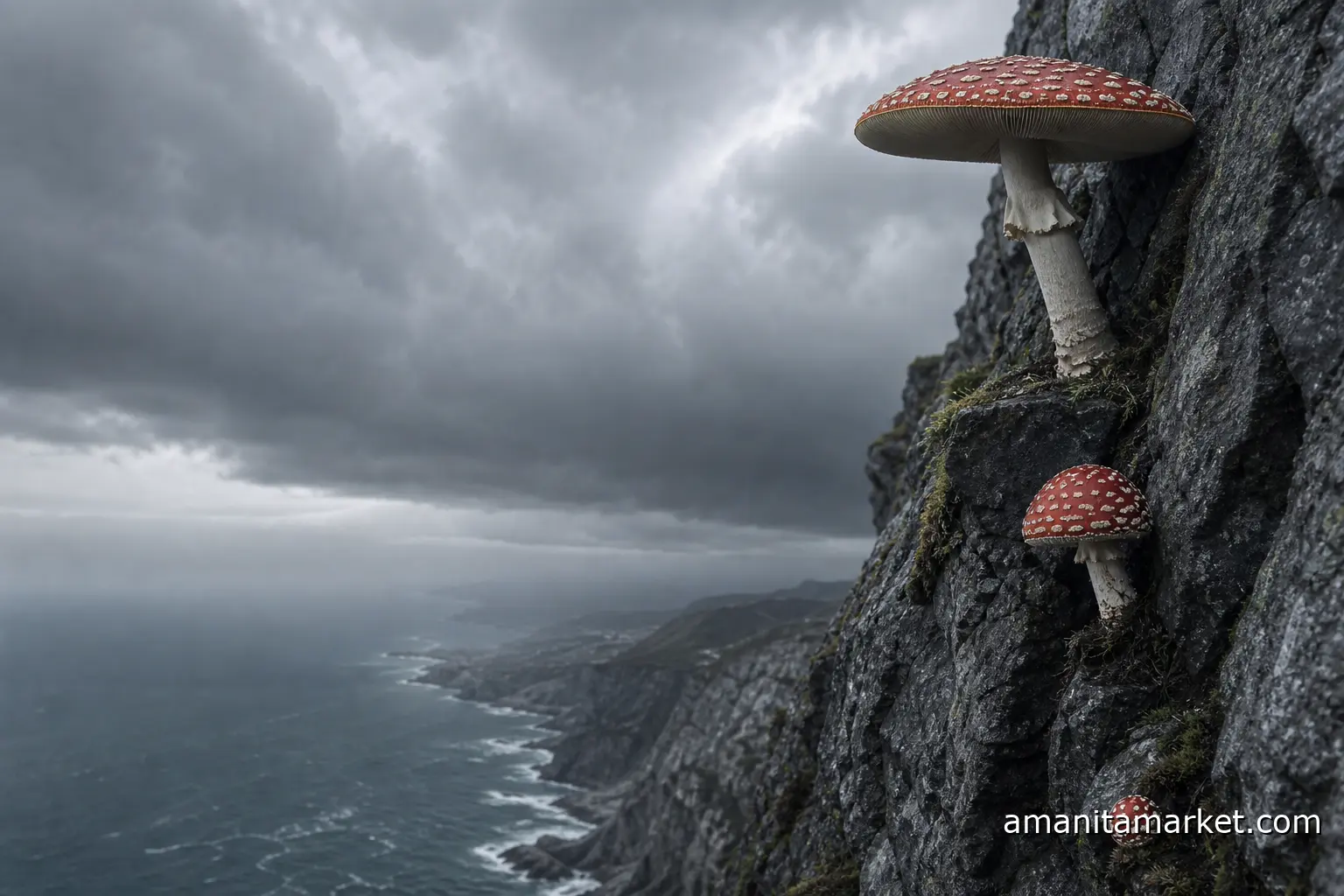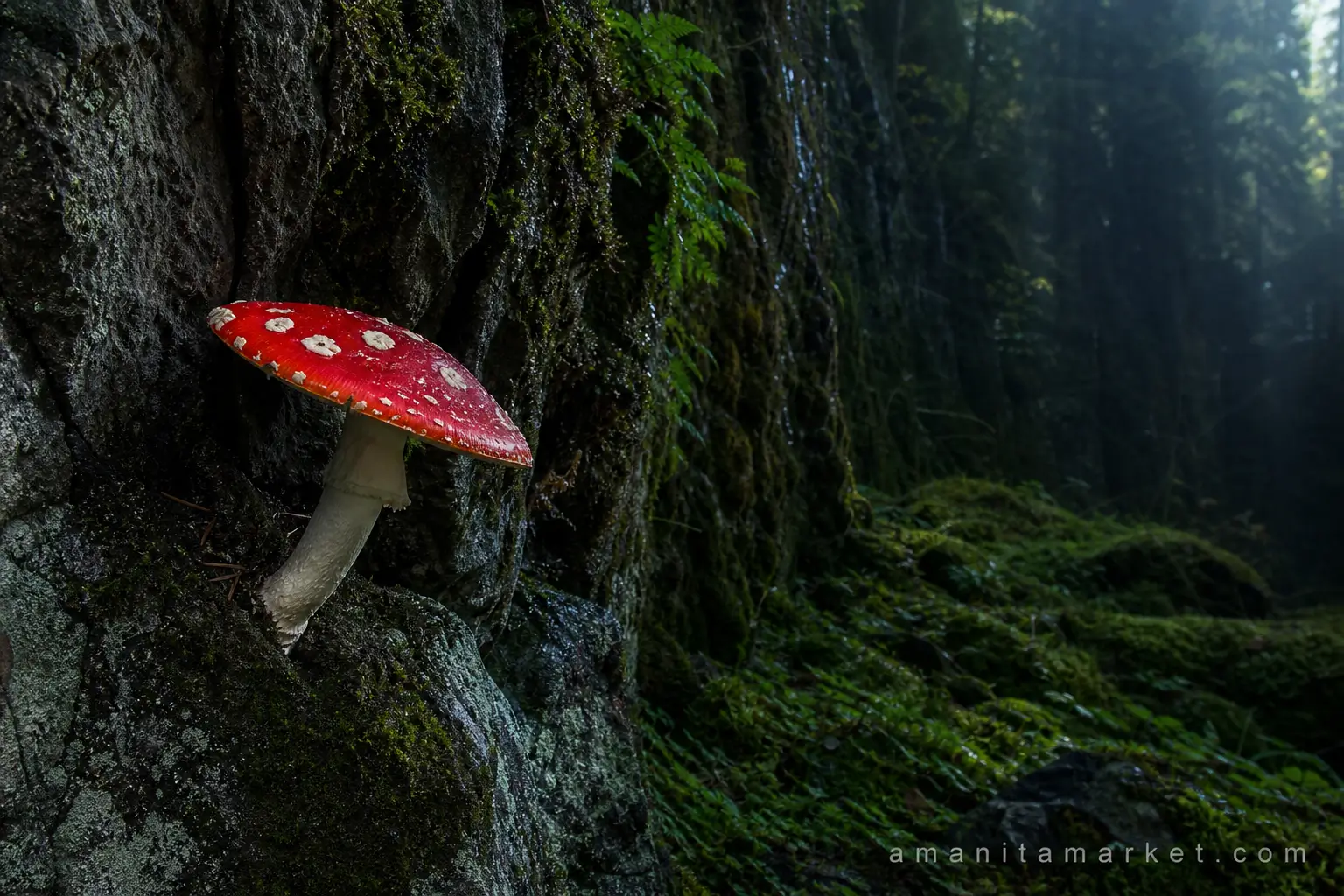
Single Amanita muscaria mushroom cliff face moss ferns — Sami people noaidi shamanism fly agaric circumpolar

Amanita Muscaria and the Sami People: The Noaidi Question

The Sami — the indigenous people of northern Scandinavia and the Kola Peninsula — are among the most extensively studied shamanic cultures in the world. Their spiritual practitioners, the noaidi, occupied a role closely parallel to the Siberian shaman. And given the Sami’s geographic proximity to both Siberia and the birch-pine forests where Amanita muscaria […]

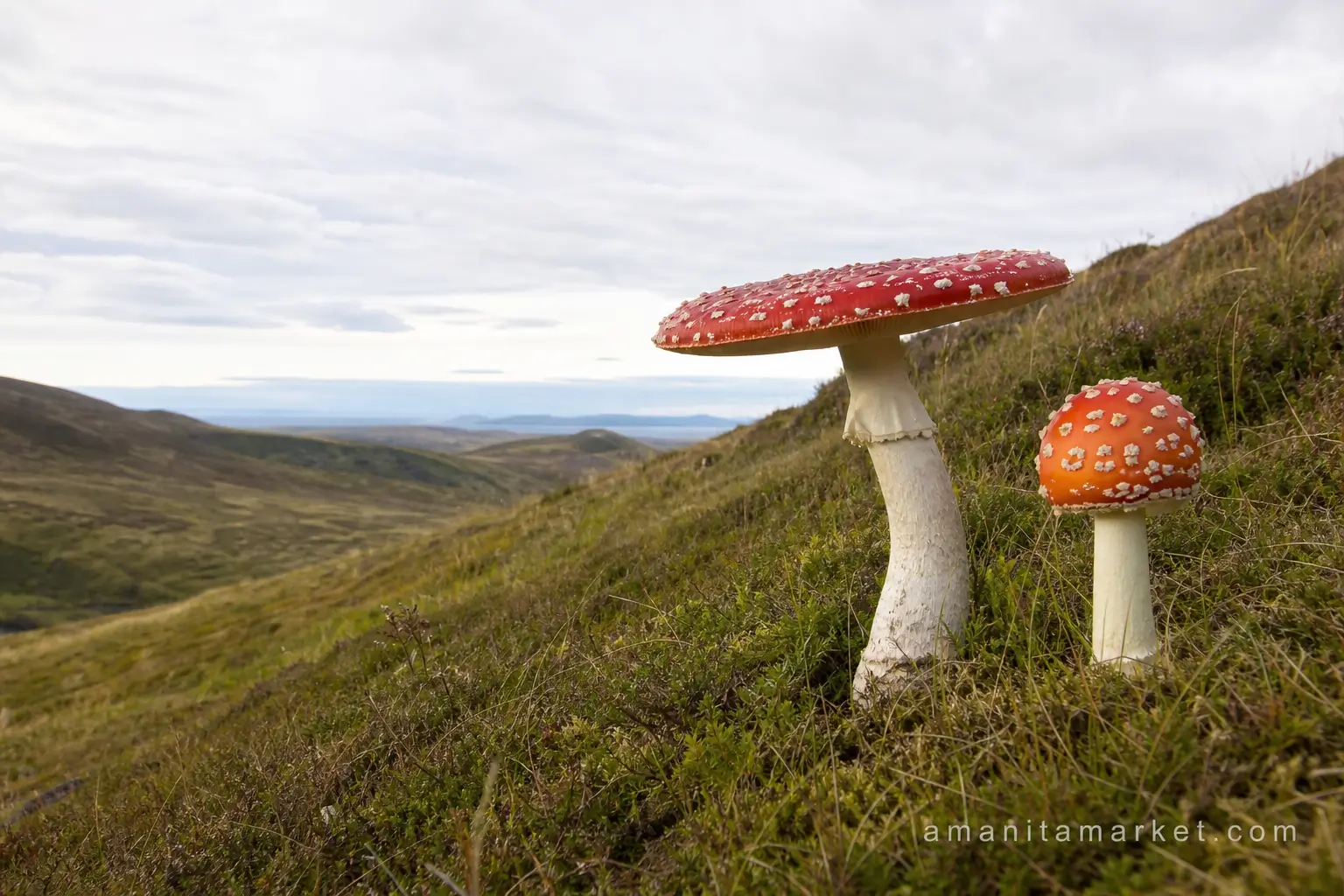
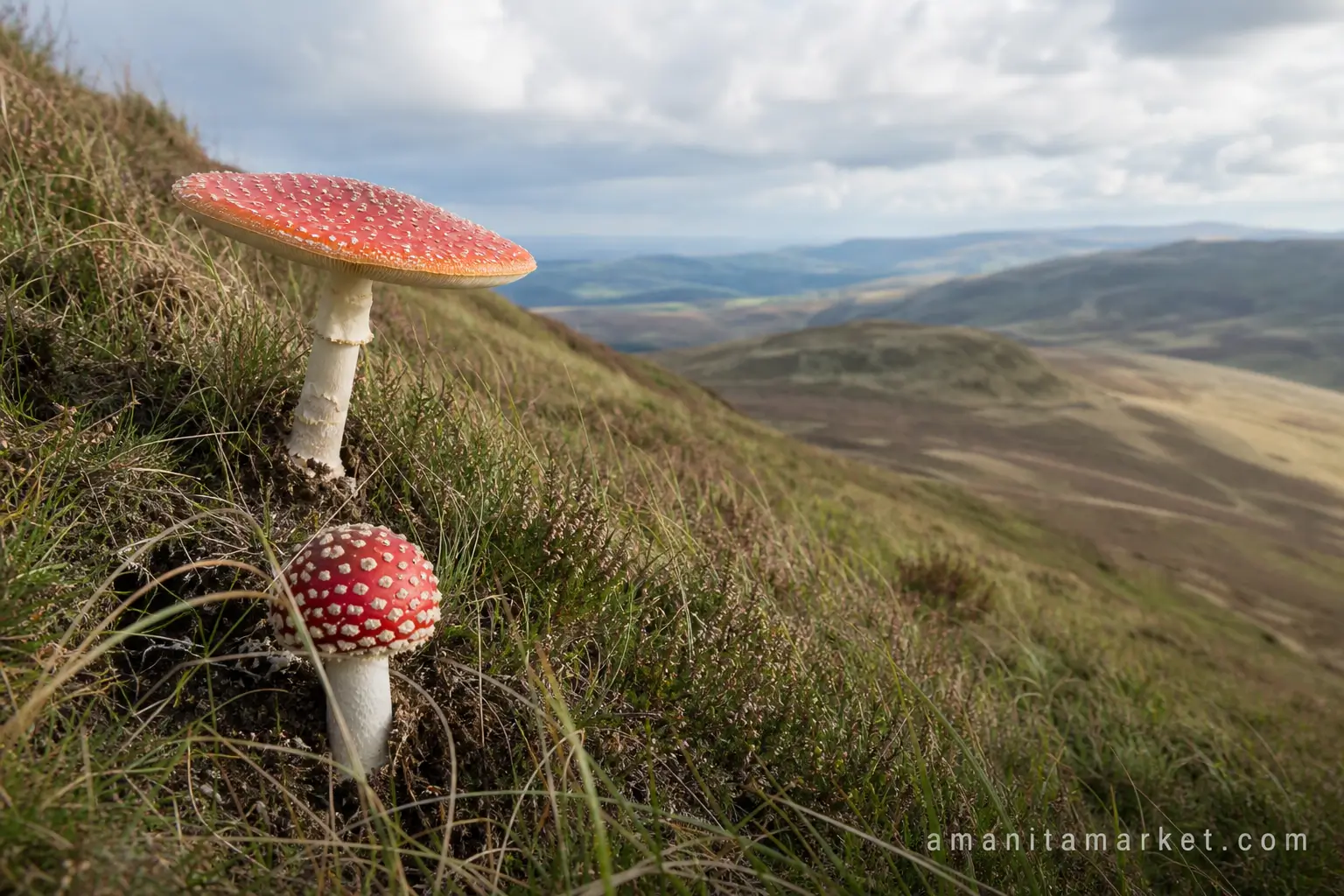
Amanita muscaria mushrooms open hillside panorama — Baltic mythology Lithuanian Latvian sacred forest fly agaric

Amanita Muscaria in Germanic Mythology: Odin, Wotan and the Wild Hunt

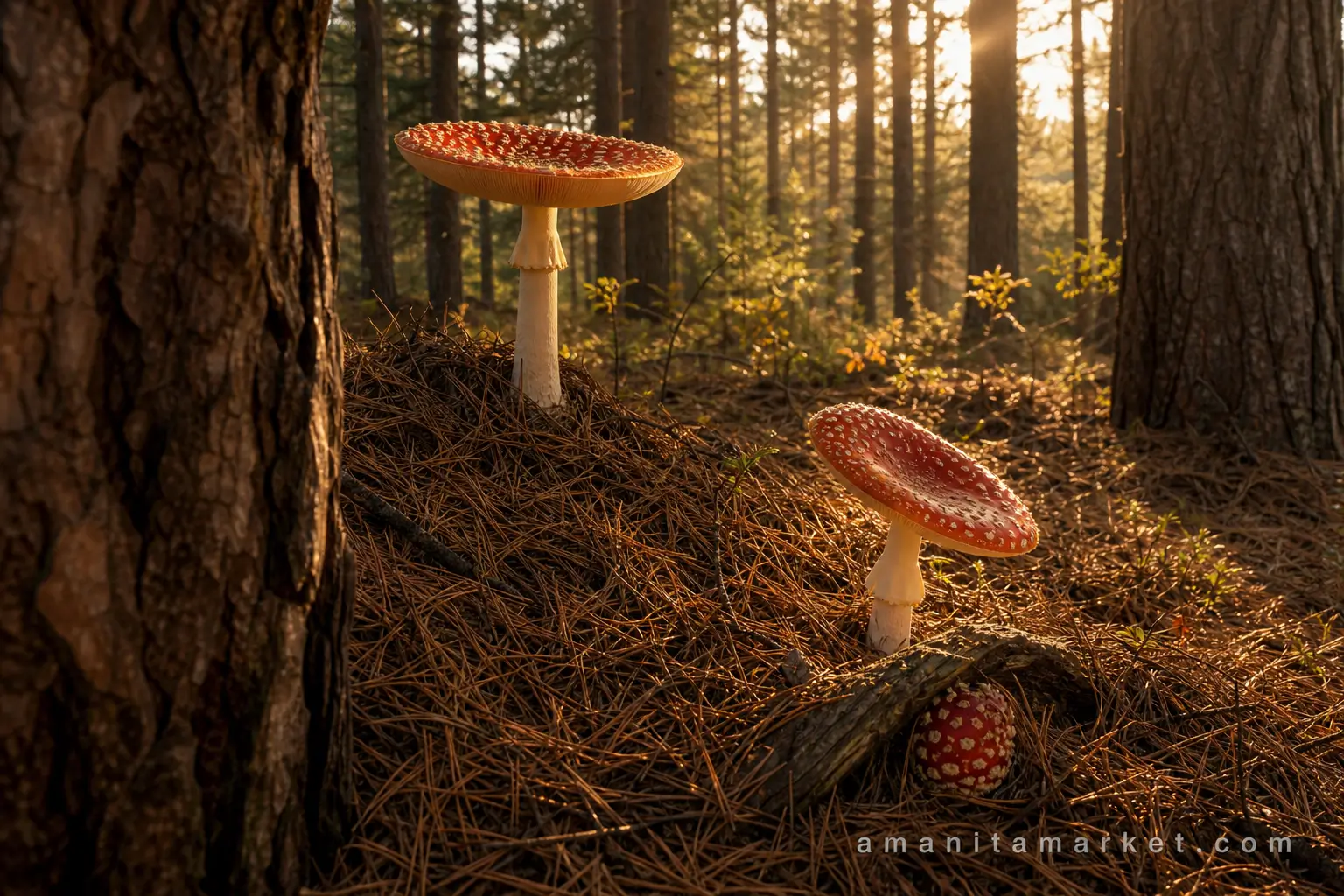
The Germanic peoples — Angles, Saxons, Franks, Goths, Norse, and others — developed one of the world’s most elaborate mythological systems before Christian conversion largely erased the oral tradition. What survives in the Eddas, the sagas, and scattered runic inscriptions suggests a worldview in which Amanita muscaria occupied a meaningful, if not always explicit, place. […]

Three Amanita muscaria mushrooms forest clearing sunlight — Germanic mythology Odin Wild Hunt fly agaric

Fly Agaric in Baltic Mythology: Lithuania, Latvia and the Sacred Forest

The Baltic peoples — Lithuanians, Latvians, and the now-extinct Old Prussians — were the last pagans of Europe, maintaining pre-Christian religious traditions longer than any other European group. When Christian missionaries finally converted the last Lithuanian nobles in the late 14th century, they encountered a nature-religious worldview of extraordinary richness. At its heart was the […]

Amanita muscaria mushrooms bogland pools dark sky — Slavic mythology forest spirit mukhamor tradition

Fly Agaric in Slavic Mythology and Folk Tradition

The Slavic peoples — Russians, Poles, Czechs, Slovaks, Ukrainians, Bulgarians, and Serbs — have one of Europe’s richest folk traditions surrounding the natural world. Forests, rivers, and their inhabitants were populated by a vivid cast of spirits, deities, and beings. Amanita muscaria occupies a distinctive place in this mythology: it is known across the Slavic […]

Three Amanita muscaria mushrooms mossy boulders ancient forest — world cultures fly agaric symbolism history

Fly Agaric in World Cultures: A Global Survey

Amanita muscaria is the only mushroom with a documented presence in the ritual and symbolic life of cultures on multiple continents. From Siberian shamanism to Mesoamerican ritual, from Vedic India to Norse mythology, the fly agaric has left its mark across the full breadth of human cultural history. This article surveys what we know — […]

Amanita muscaria mushrooms riverbank stream — Celts druids sacred fungi fly agaric ethnobotany

Amanita Muscaria and the Celts: Druids and Sacred Fungi

The Celtic peoples of Iron Age and early medieval Europe left no written records of their own — their knowledge traditions were oral, transmitted through the druid class. This makes direct evidence of Celtic Amanita muscaria use frustratingly elusive. Yet the circumstantial evidence — botanical, archaeological, and mythological — suggests that fly agaric played a […]

Amanita muscaria cluster pine forest amber light — Glückspilz fly agaric luck symbol European culture

Fly Agaric as a Luck Symbol: The Glückspilz Tradition

In Germany, Austria, and across Central Europe, the red-and-white fly agaric mushroom is one of the most recognisable symbols of good luck. It appears on New Year’s postcards, Christmas decorations, chocolate confections, and greeting cards. The Glückspilz — literally “lucky mushroom” — is a term that every German speaker knows. But how did a mushroom […]

Amanita muscaria pair birch grove golden leaves — Vedic soma fly agaric history ethnobotany

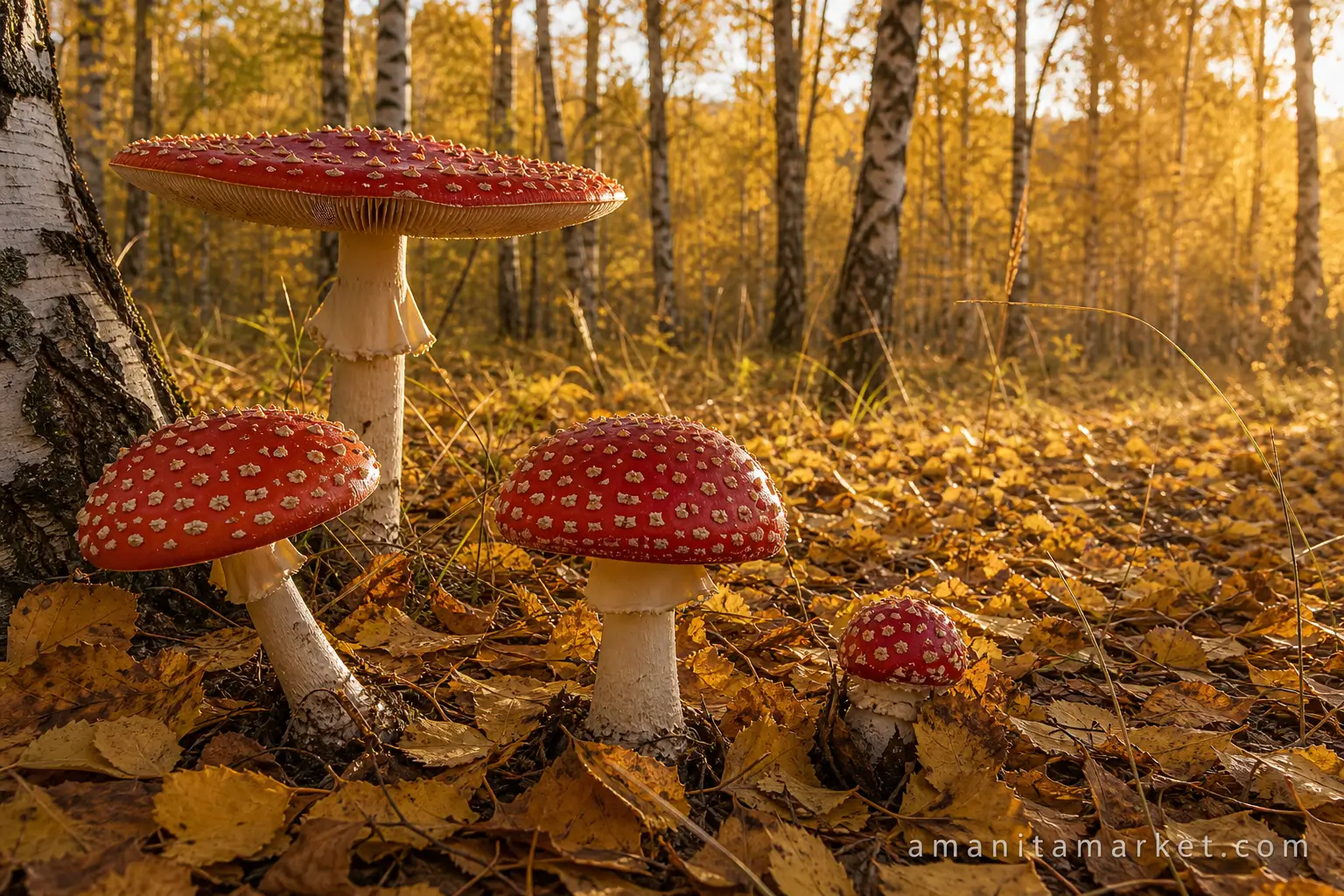
Amanita Muscaria and the Vedic Soma: Wasson’s Theory

Among the most debated questions in ethnobotany is the identity of Soma — the divine ritual drink described in over a hundred hymns of the ancient Rig Veda, composed approximately 3,500 years ago. In 1968, American ethnomycologist R. Gordon Wasson proposed that Soma was prepared from Amanita muscaria. The theory transformed academic understanding of the […]

Three Amanita muscaria mushrooms alpine rocks mist — fly agaric Viking berserker Norse mythology

Fly Agaric and Viking Berserkers: Fact or Myth?

Did Viking berserkers use fly agaric before battle? The theory has captivated historians, mythologists, and ethnobotanists for over two centuries. It remains one of the most debated questions in Norse studies — and one of the most compelling intersections of history and mycology. This article examines the evidence, the arguments, and the current state of […]

Fly agaric Amanita muscaria streamside mossy stones — ethnobotanical incense history ritual

Fly Agaric as Incense: A History of Ritual Use

Long before fly agaric became a collector’s botanical or a subject of neuroscience research, it was burned. The use of Amanita muscaria as ritual incense — dried caps placed on coals or heated stones to release aromatic smoke — has roots that extend across thousands of years of human history, from Siberian shamanic lodges to […]

Free shipping

On all orders above 90€

Easy 30 days returns

30 days money back guarantee

Ethically Sourced

Wild harvested, pure & natural

100% Secure Checkout

PayPal / MasterCard / Visa