Amanita Muscaria Blog

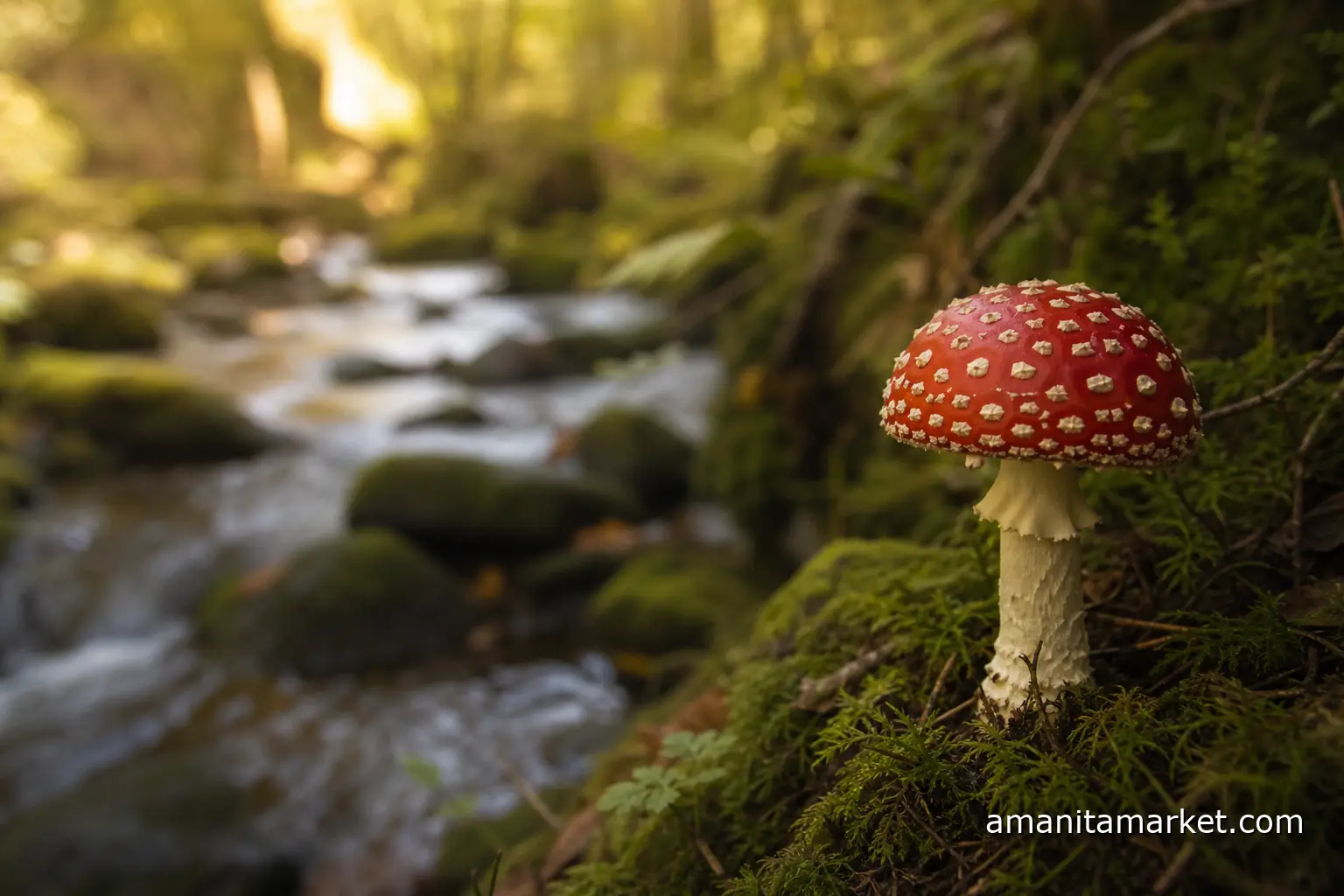
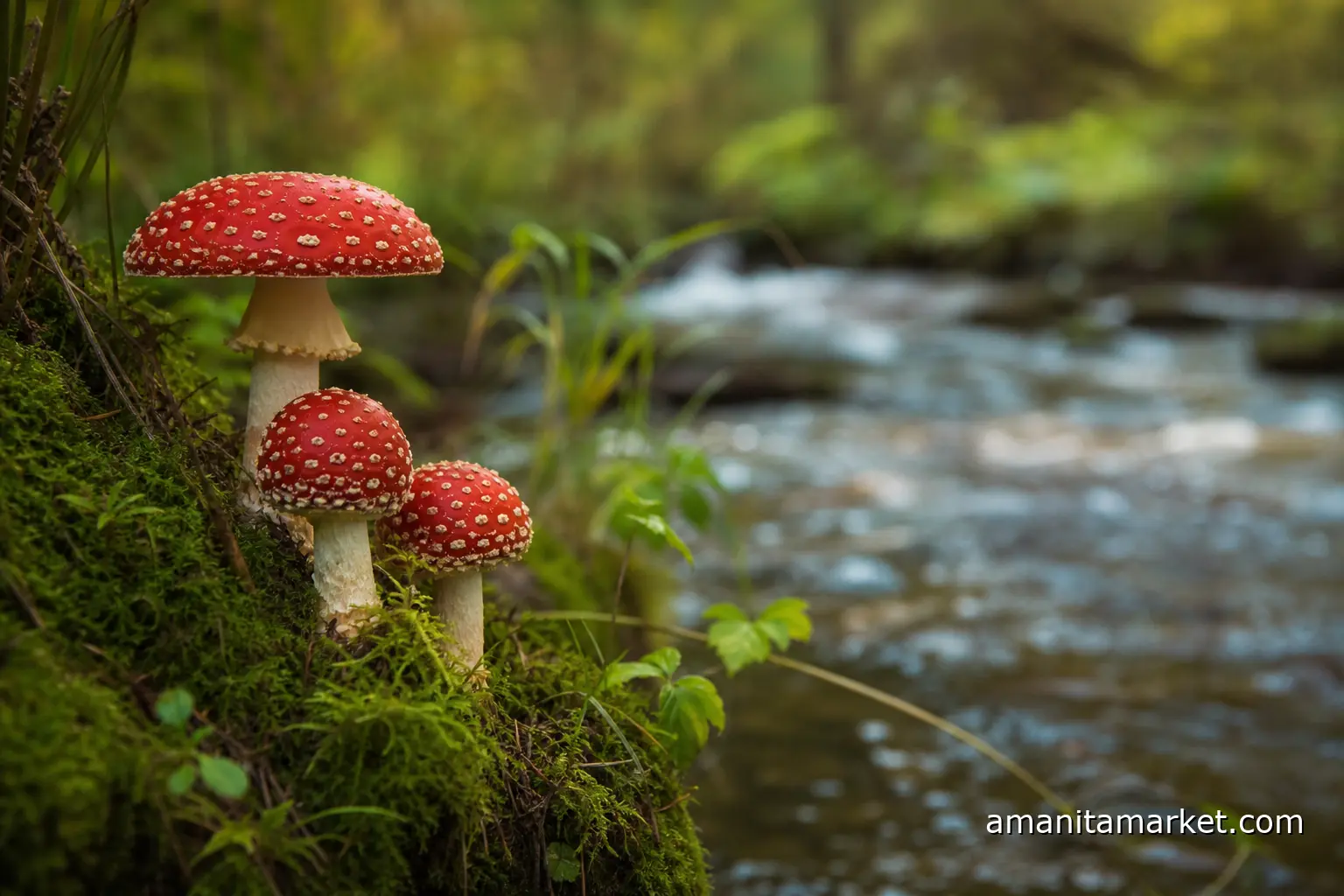
Amanita muscaria mushrooms riverbank stream — Celts druids sacred fungi fly agaric ethnobotany

Amanita Muscaria and GABA: The Complete Neuroscience

GABA — gamma-aminobutyric acid — is the brain’s primary inhibitory neurotransmitter, present in approximately 30–40% of all synaptic connections in the central nervous system. Muscimol, the main active compound in Amanita muscaria, acts directly on GABA-A receptors — the same receptor system targeted by benzodiazepines, barbiturates, and anaesthetic agents. Understanding what GABA does and how […]

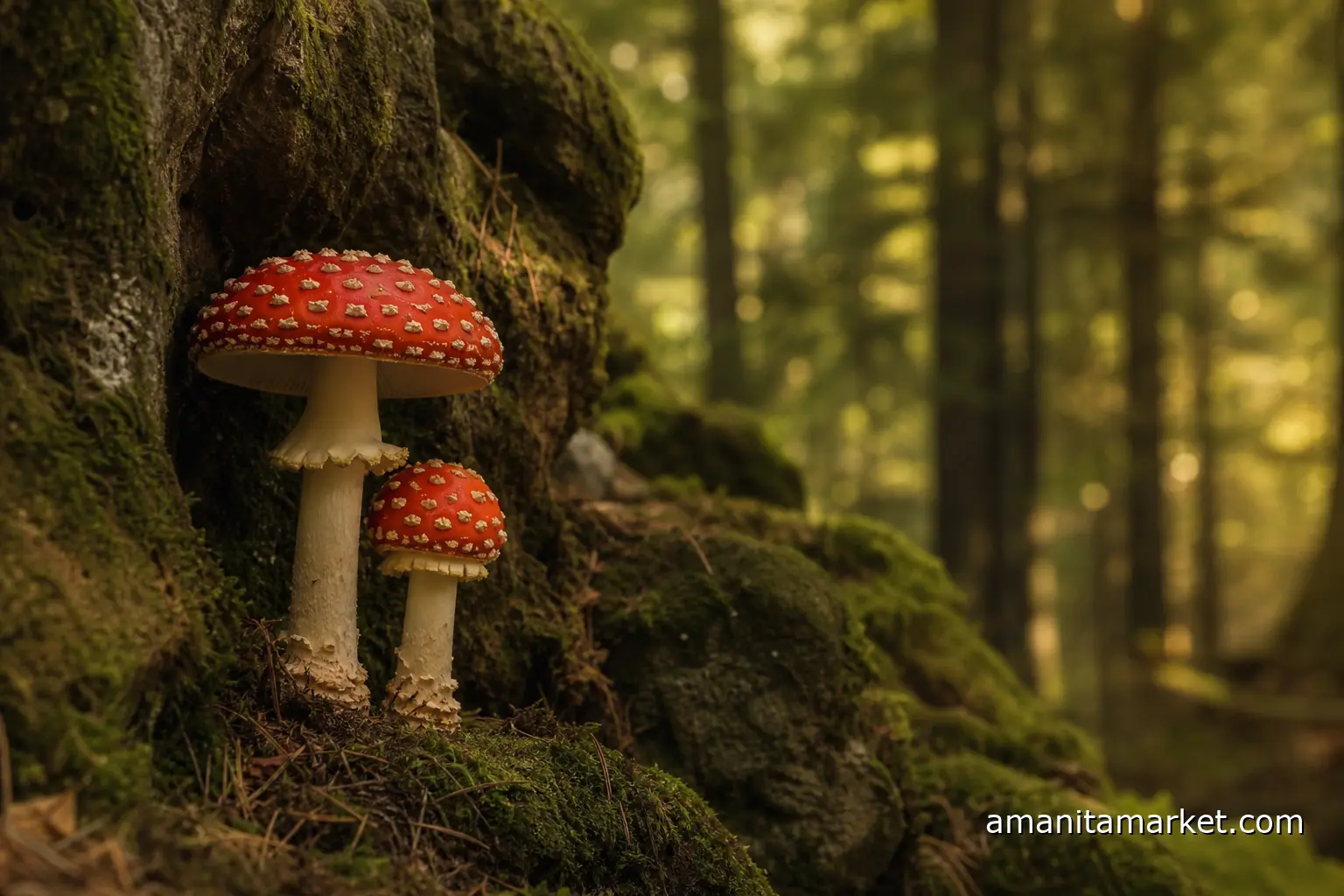
Two Amanita muscaria mushrooms lush riverbank stream — fly agaric medieval art European iconography history

Fly Agaric in Medieval Art and European Iconography

Amanita muscaria has been depicted in European art since the medieval period — in illuminated manuscripts, herbals, tapestries, and decorative arts. Long before the Victorian fairy tale tradition made the red-and-white mushroom a global visual icon, artists and craftspeople were incorporating the fly agaric into visual culture in ways that reveal its symbolic significance across […]

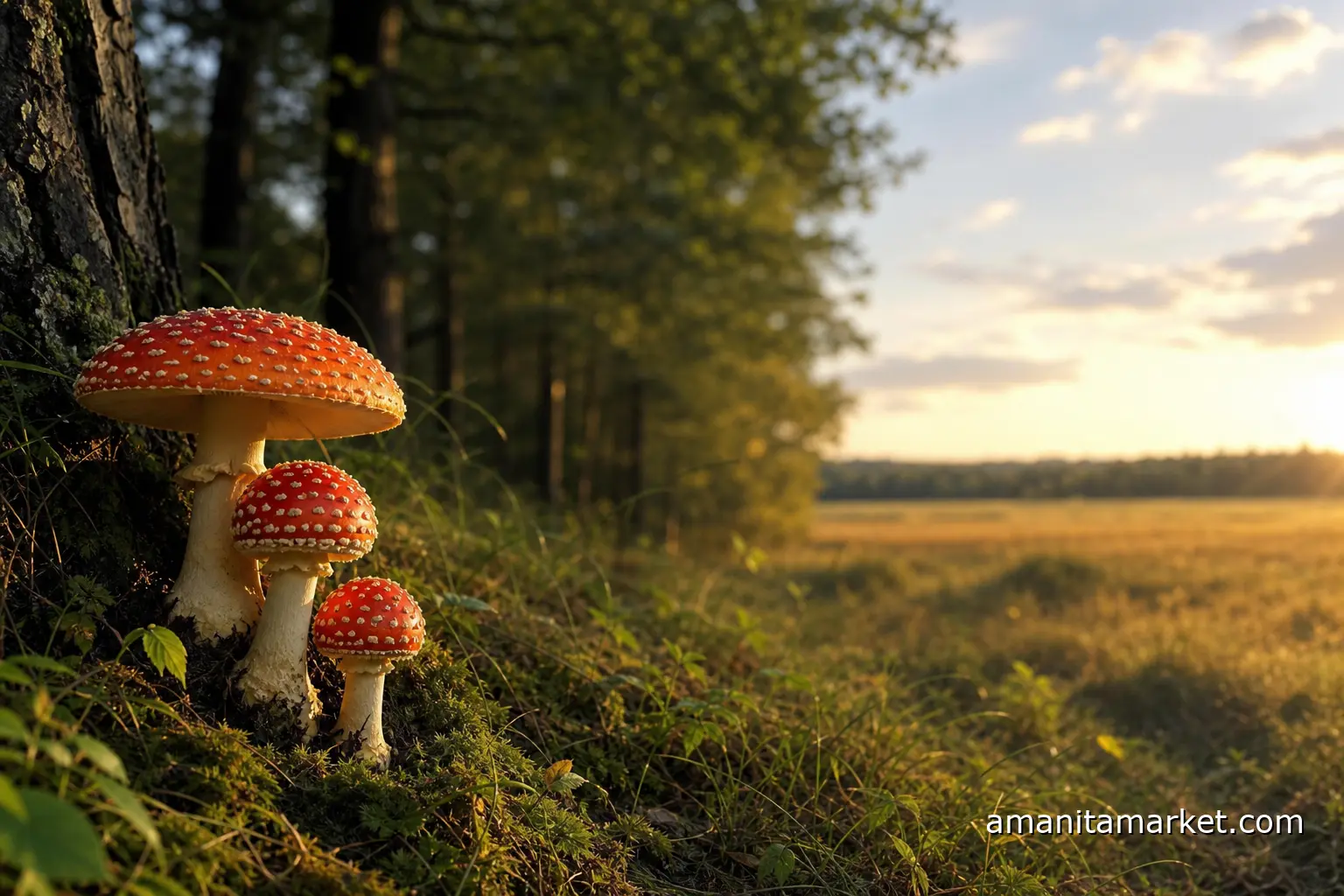
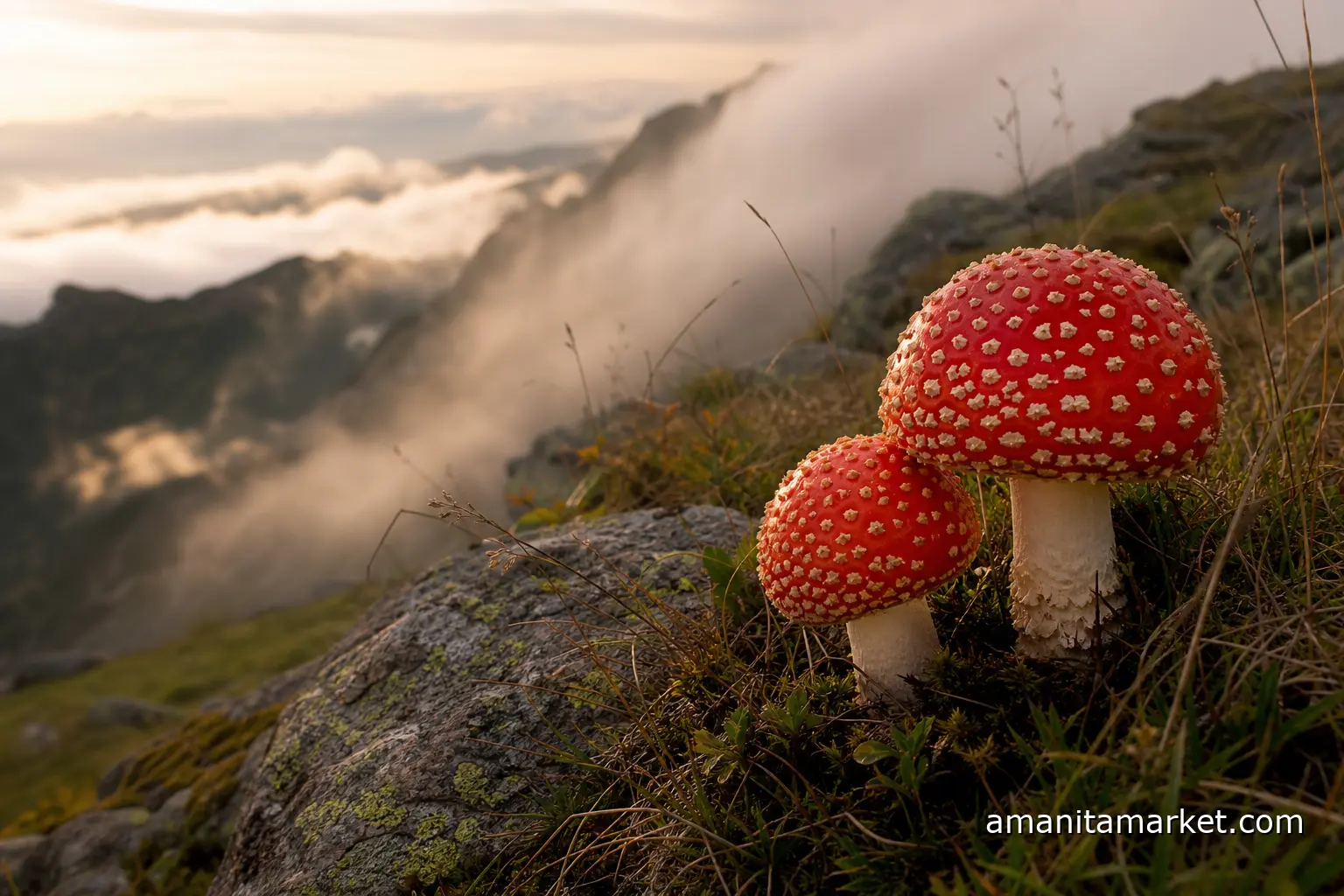
Two Amanita muscaria mushrooms forest clearing open sky — how is fly agaric used traditional ethnobotanical applications

How Is Fly Agaric Used? Traditional and Contemporary Applications

Amanita muscaria has been used by human cultures in remarkably diverse ways across thousands of years — from Siberian shamanic ceremonies to European incense rituals, from Christmas decoration to botanical collecting. Understanding the full range of traditional and contemporary uses helps explain why dried fly agaric remains one of the most sought-after ethnobotanical products in […]

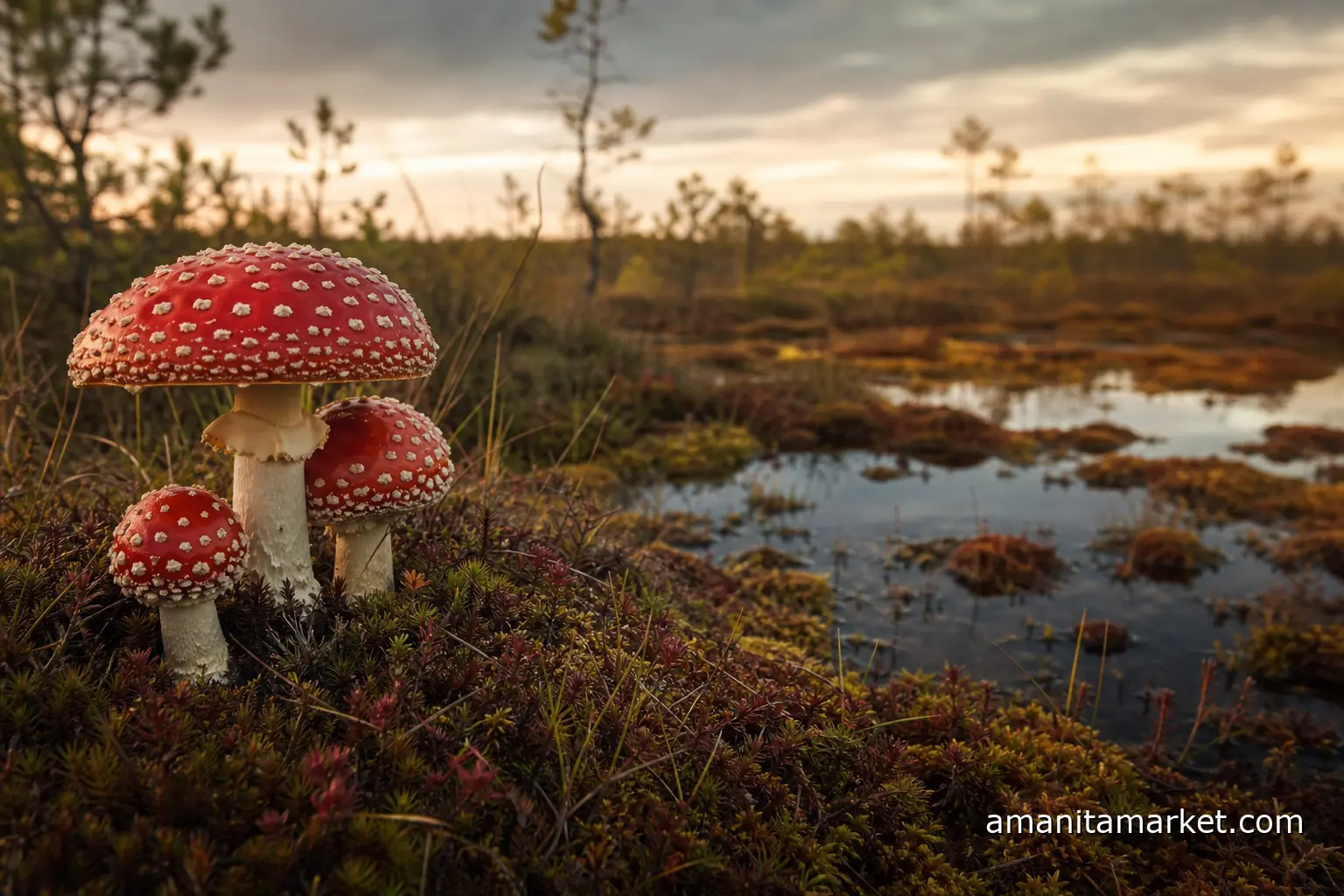
Two Amanita muscaria mushrooms ancient mossy boulders — Odin fly agaric Norse shamanism mythology connection

Odin and Fly Agaric: Norse Shamanism Explored

Odin is the most complex deity in the Norse pantheon — simultaneously a god of war, wisdom, death, poetry, and ecstatic magic. His attributes overlap so precisely with the archetype of the Siberian shaman that scholars of comparative religion have proposed a direct cultural connection. At the intersection of these two figures stands Amanita muscaria: […]

Three Amanita muscaria mushrooms misty bogland — fly agaric indigenous North American cultures Beringia shamanism

Fly Agaric in North American Indigenous Cultures

Amanita muscaria grows across the temperate and boreal forest zones of North America, from Alaska and Canada through the northern United States. Whether North American indigenous peoples used the mushroom in ritual or ceremonial contexts — as their counterparts in Siberia clearly did — is a question that ethnobotanists have examined with limited but suggestive […]

Two Amanita muscaria mushrooms highland pine forest golden light — muscimol neuroinflammation microglia research 2023

Muscimol and Neuroinflammation: What the 2023 Research Shows

Neuroinflammation — chronic or excessive activation of the brain’s immune cells — is increasingly recognised as a factor in neurodegenerative diseases, depression, and cognitive decline. Muscimol, the primary active compound in Amanita muscaria, has been investigated in preclinical research for its potential effects on microglial cells — the brain’s resident immune system. This article summarises […]

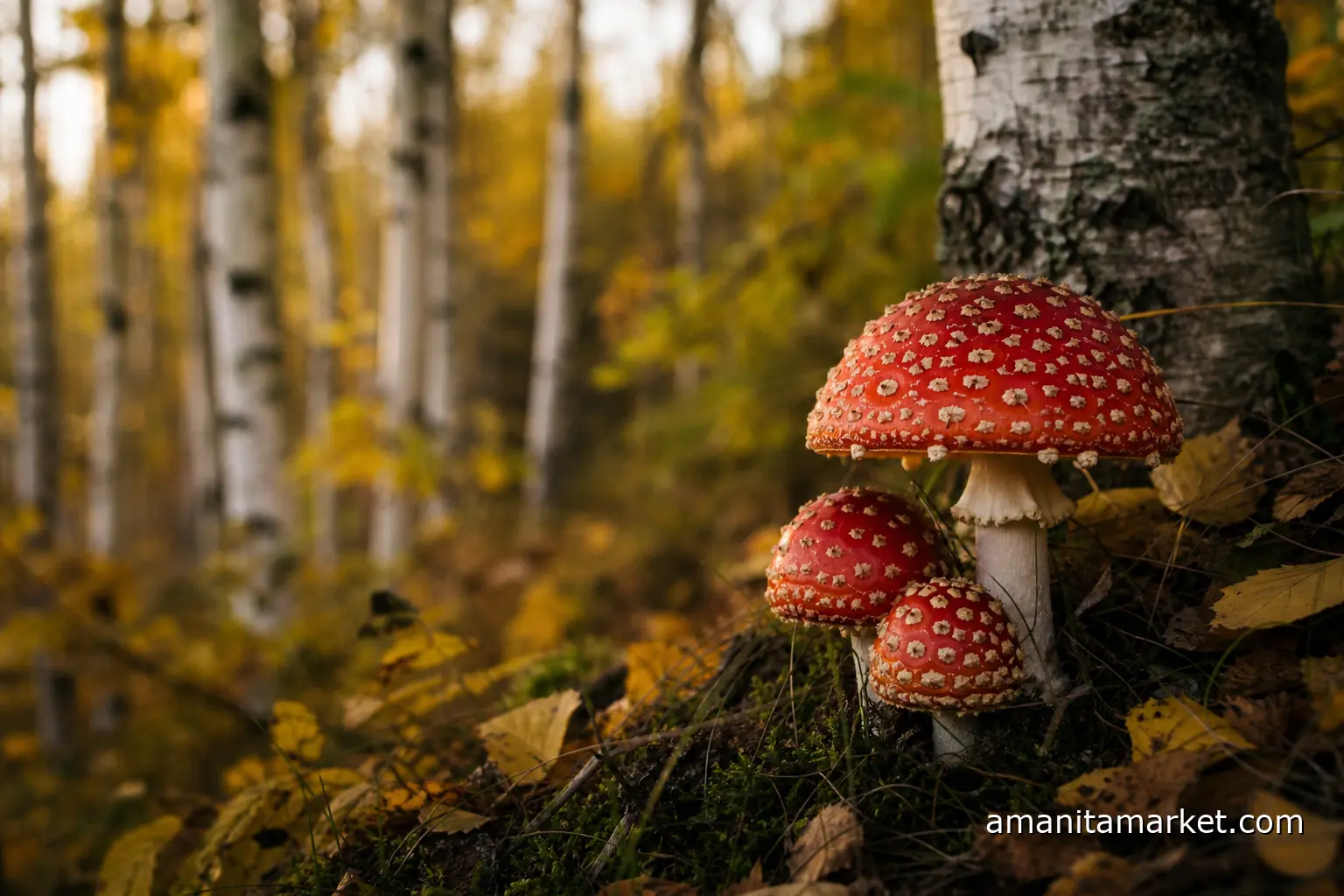
Single large Amanita muscaria in open birch grove golden leaves — Alice in Wonderland mushroom fly agaric cultural history

Alice in Wonderland and the Fly Agaric Mushroom

The mushroom in Alice in Wonderland is one of the most recognised images in English literature — a giant fungus on which a hookah-smoking caterpillar sits, pieces of which cause Alice to grow or shrink depending on which side she eats. Whether Lewis Carroll intended a specific reference to Amanita muscaria has been debated for […]

Two Amanita muscaria mushrooms open hillside panorama — fly agaric reindeer connection northern cultures

Fly Agaric and Reindeer: An Ancient Connection

The relationship between reindeer and Amanita muscaria is one of the stranger documented facts in natural history — and one of the more intriguing threads in the cultural history of the fly agaric. Reindeer actively seek out and consume the mushroom, apparently with enthusiasm. This behaviour has shaped how northern peoples understood the mushroom for […]

Two Amanita muscaria mushrooms alpine meadow — ibotenic acid vs muscimol chemistry decarboxylation science

Ibotenic Acid vs Muscimol: Key Differences Explained

Ibotenic acid and muscimol are the two primary active compounds in Amanita muscaria — but they work in completely opposite ways in the brain. Understanding the difference between them is essential to understanding the fly agaric mushroom’s pharmacological profile, why drying matters, and why dried specimens behave differently from fresh ones. This article presents the […]

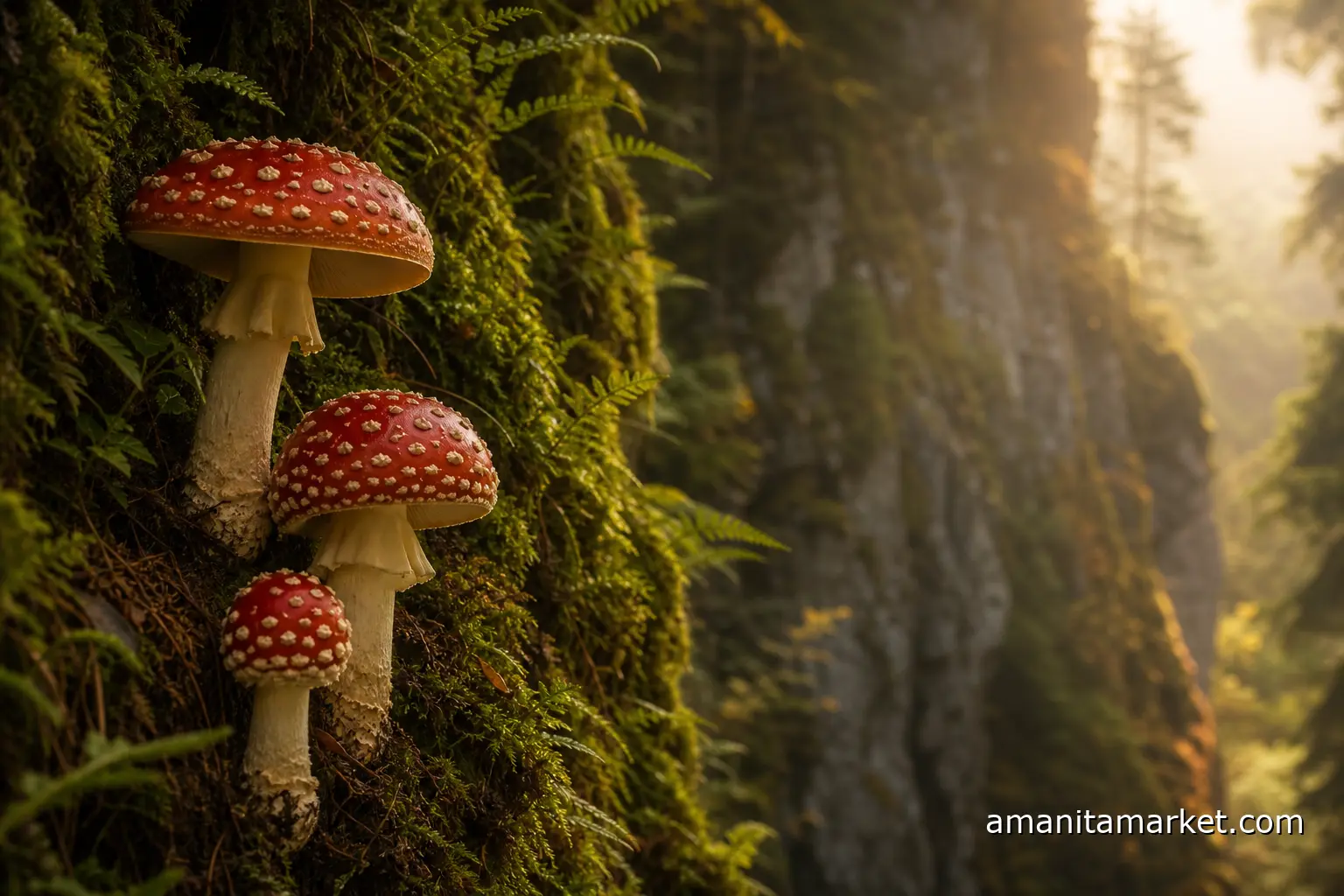
Three Amanita muscaria mushrooms on a mossy cliff face — did Vikings use fly agaric Norse history evidence

Did Vikings Use Fly Agaric? The Evidence Examined

Few questions in Norse history generate more heated debate than this one: did the Vikings use fly agaric? The theory — that Amanita muscaria fuelled the berserker battle frenzy — has circulated for over two centuries, appearing in academic papers, documentaries, and popular histories. This article examines the specific evidence relating to Viking use of […]

Free shipping

On all orders above 90€

Easy 30 days returns

30 days money back guarantee

Ethically Sourced

Wild harvested, pure & natural

100% Secure Checkout

PayPal / MasterCard / Visa