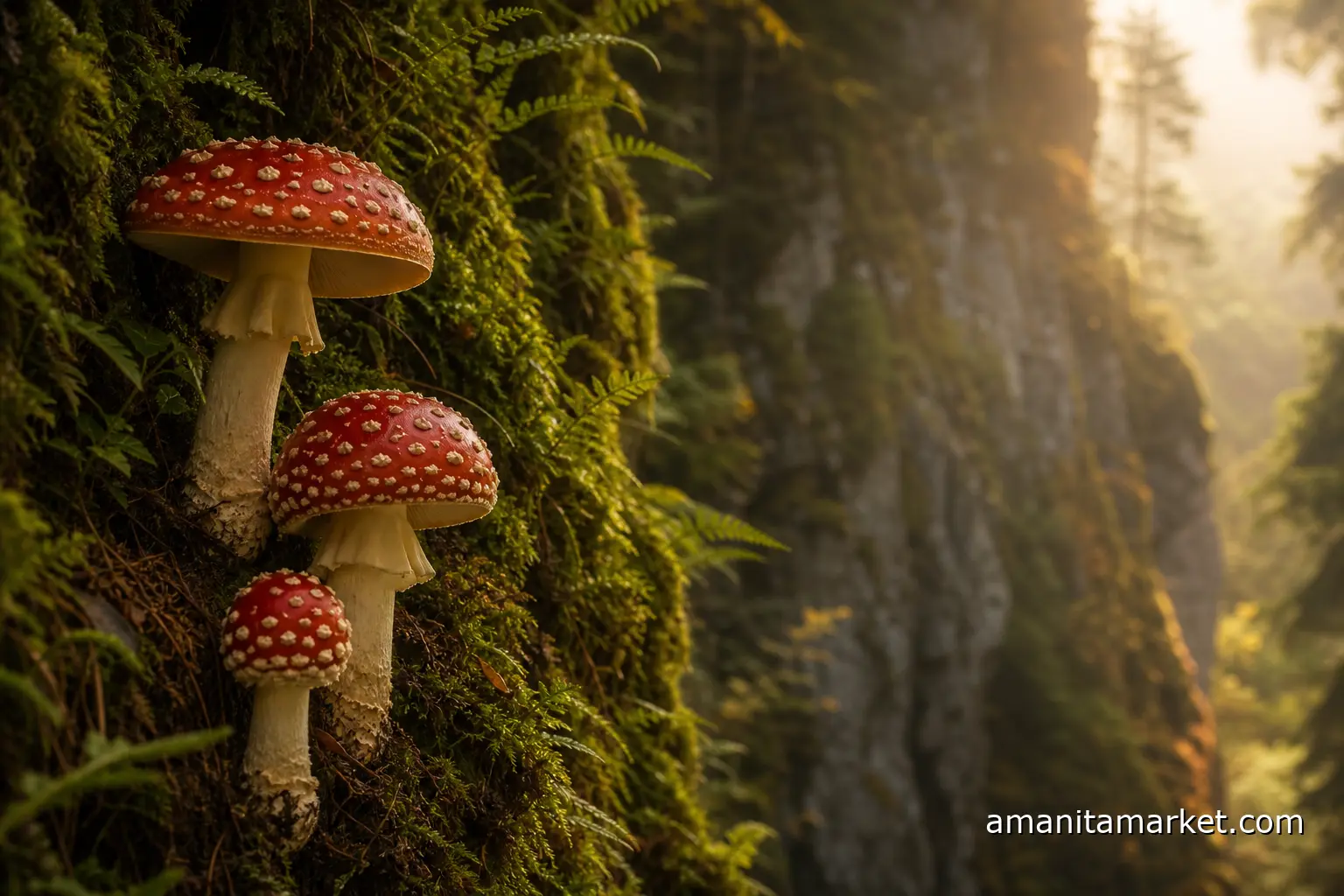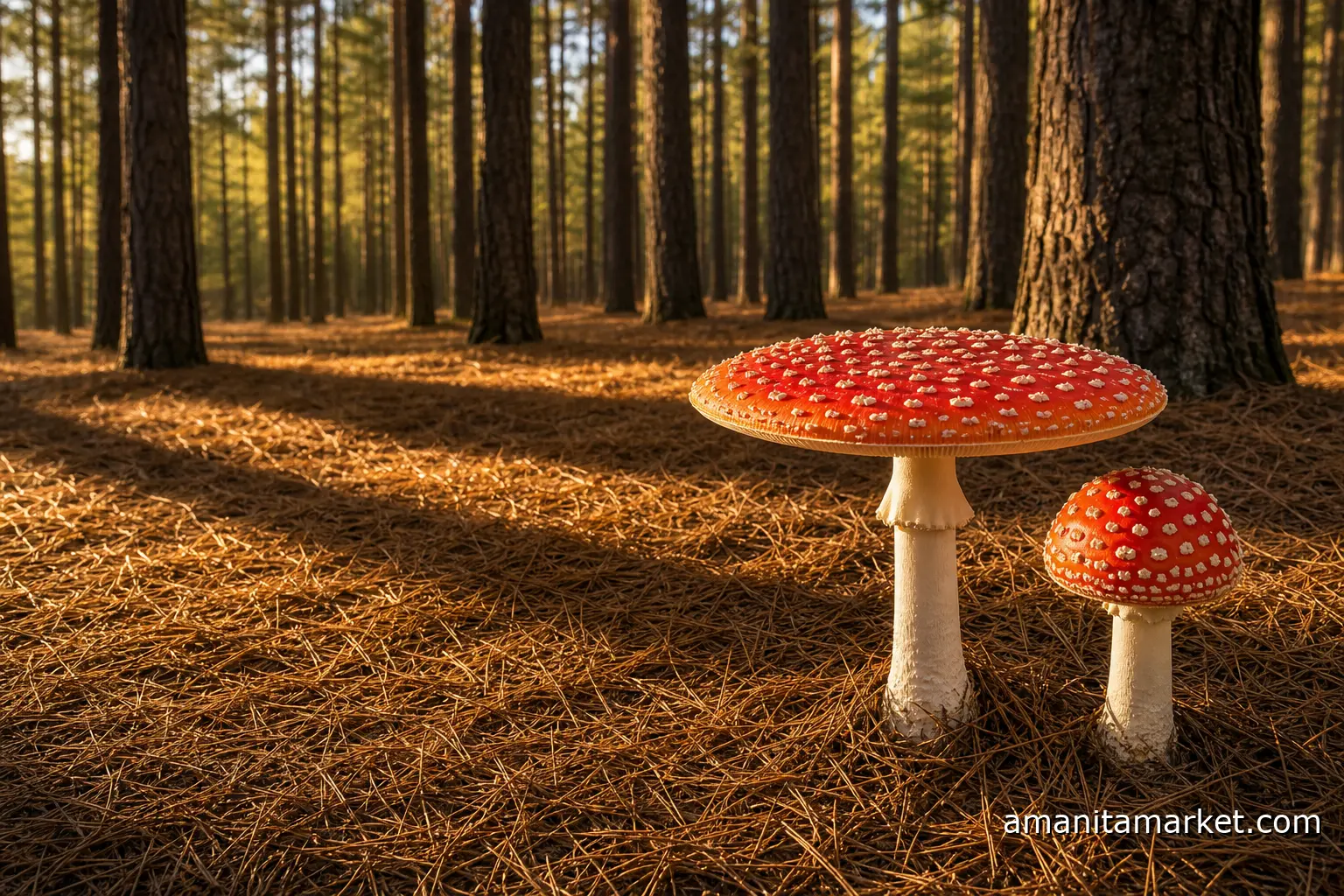
Two Amanita muscaria mushrooms mossy rocks forest — dried fly agaric effects biochemistry drying process

Dried Fly Agaric Effects: Biochemistry and Toxicological Facts

Dried Amanita muscaria is biochemically different from fresh fly agaric — a fact with significant implications for understanding the mushroom’s properties, its historical uses, and the quality of commercial dried products. This article covers what science documents about dried fly agaric specifically: how drying transforms its compound profile, what the toxicological literature records, and why […]

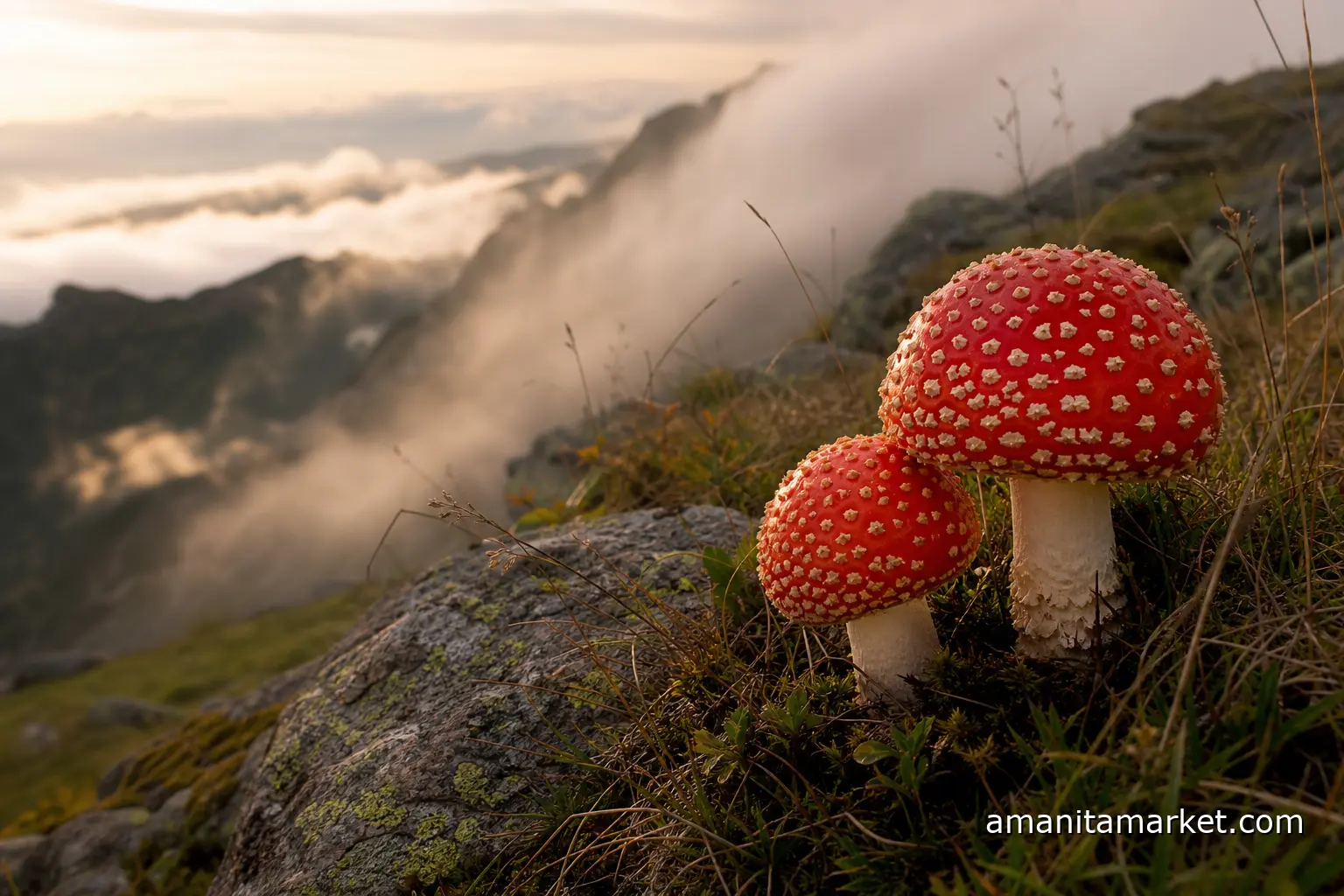
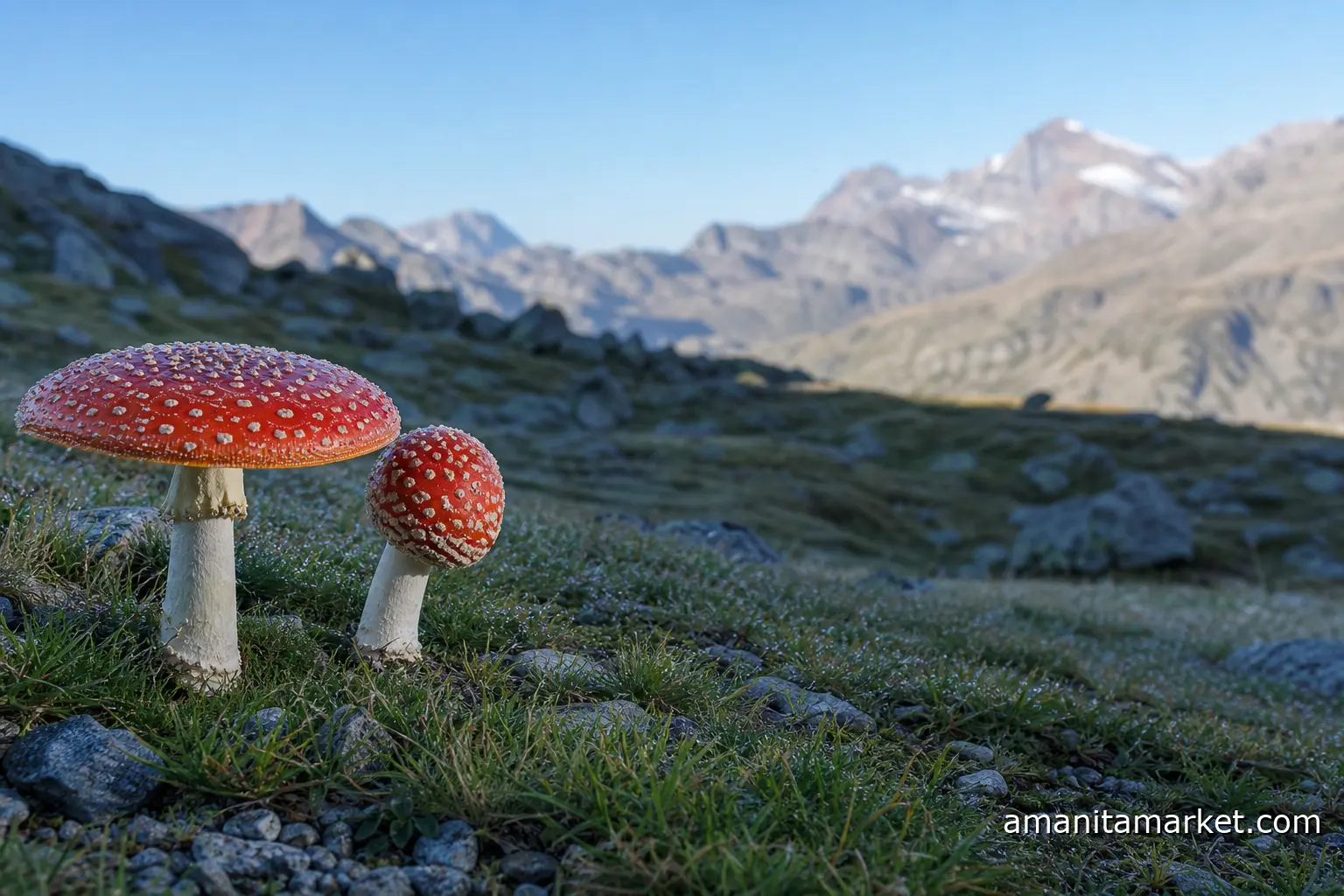
Two Amanita muscaria mushrooms alpine meadow misty — ibotenic acid effects NMDA receptor mechanism research

Ibotenic Acid Effects: Mechanism, Research and Amanita Muscaria

Ibotenic acid is one of the two primary active compounds in Amanita muscaria — and in some ways the less understood of the two. While muscimol has attracted more pharmacological attention for its GABA-A receptor activity, ibotenic acid’s role as an excitatory glutamate receptor agonist gives it a distinct and significant pharmacological profile. This article […]

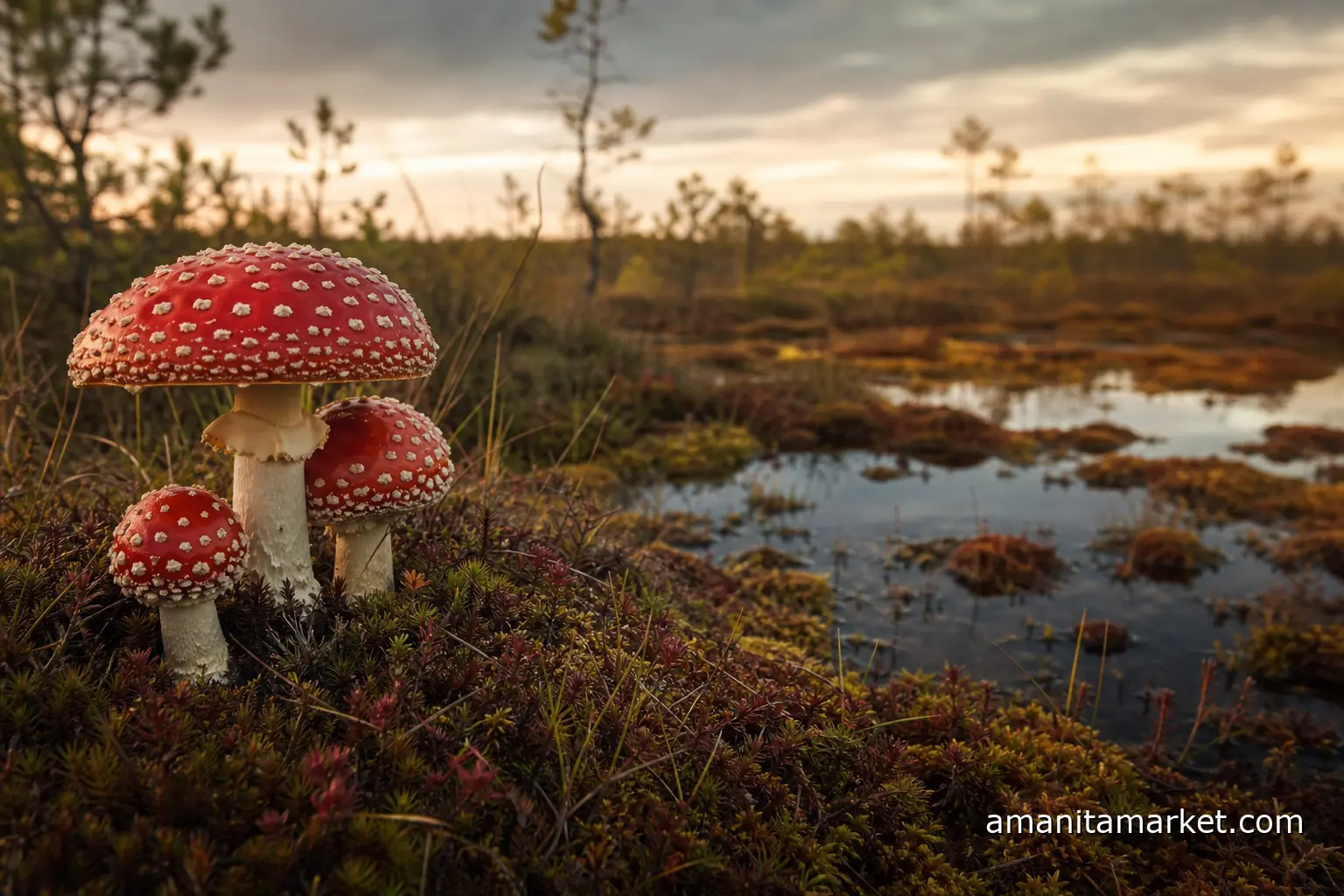
Two Amanita muscaria mushrooms bogland mist — fly agaric powder effects compound profile research

Fly Agaric Powder Effects: What the Research Documents

Fly agaric powder is made from the dried, ground caps of Amanita muscaria — but what exactly does that powder contain, and what does the toxicological and biochemical literature document about its properties? This article covers the compound profile of dried fly agaric powder, based on peer-reviewed research, without making recommendations or promoting consumption. Legal […]

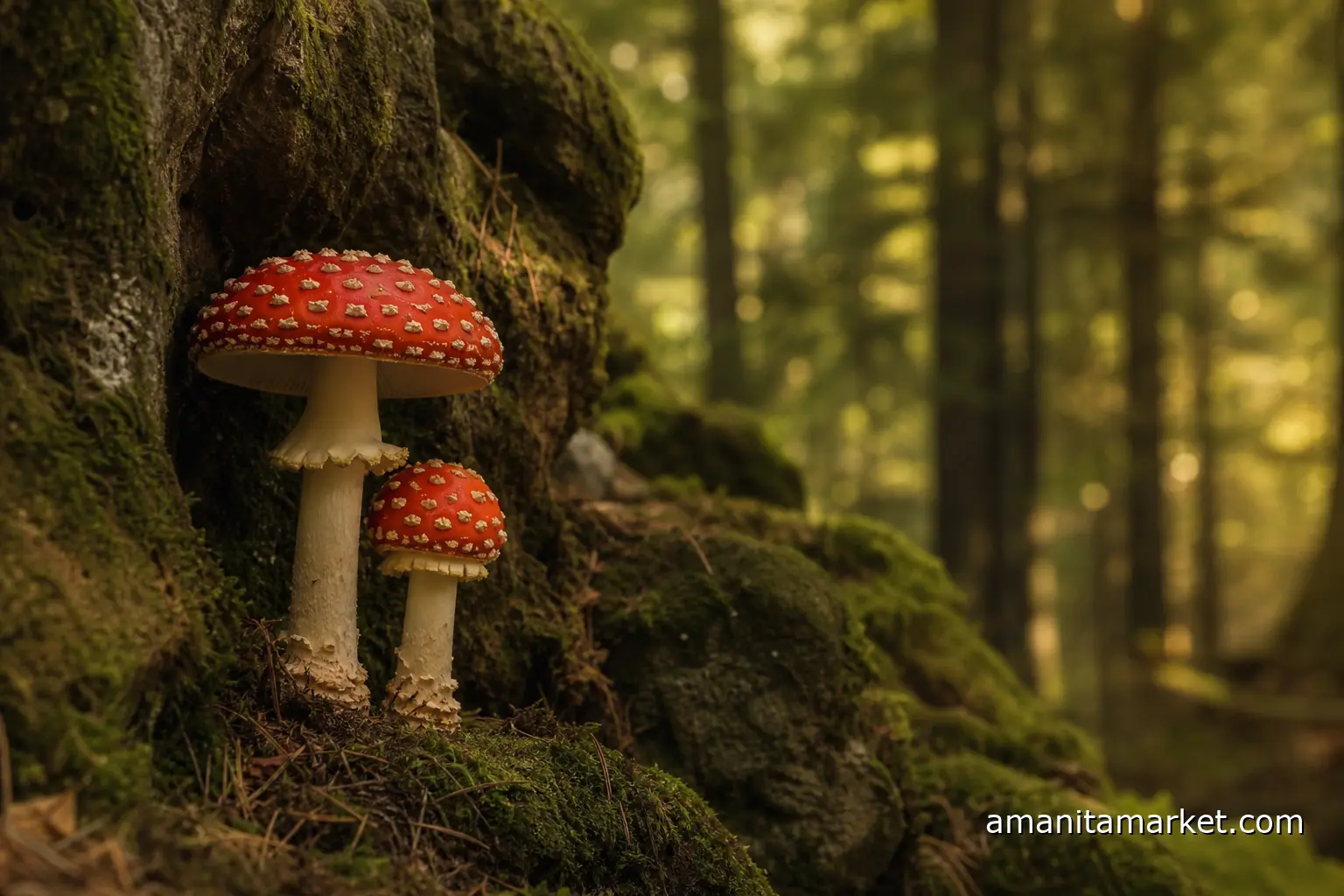
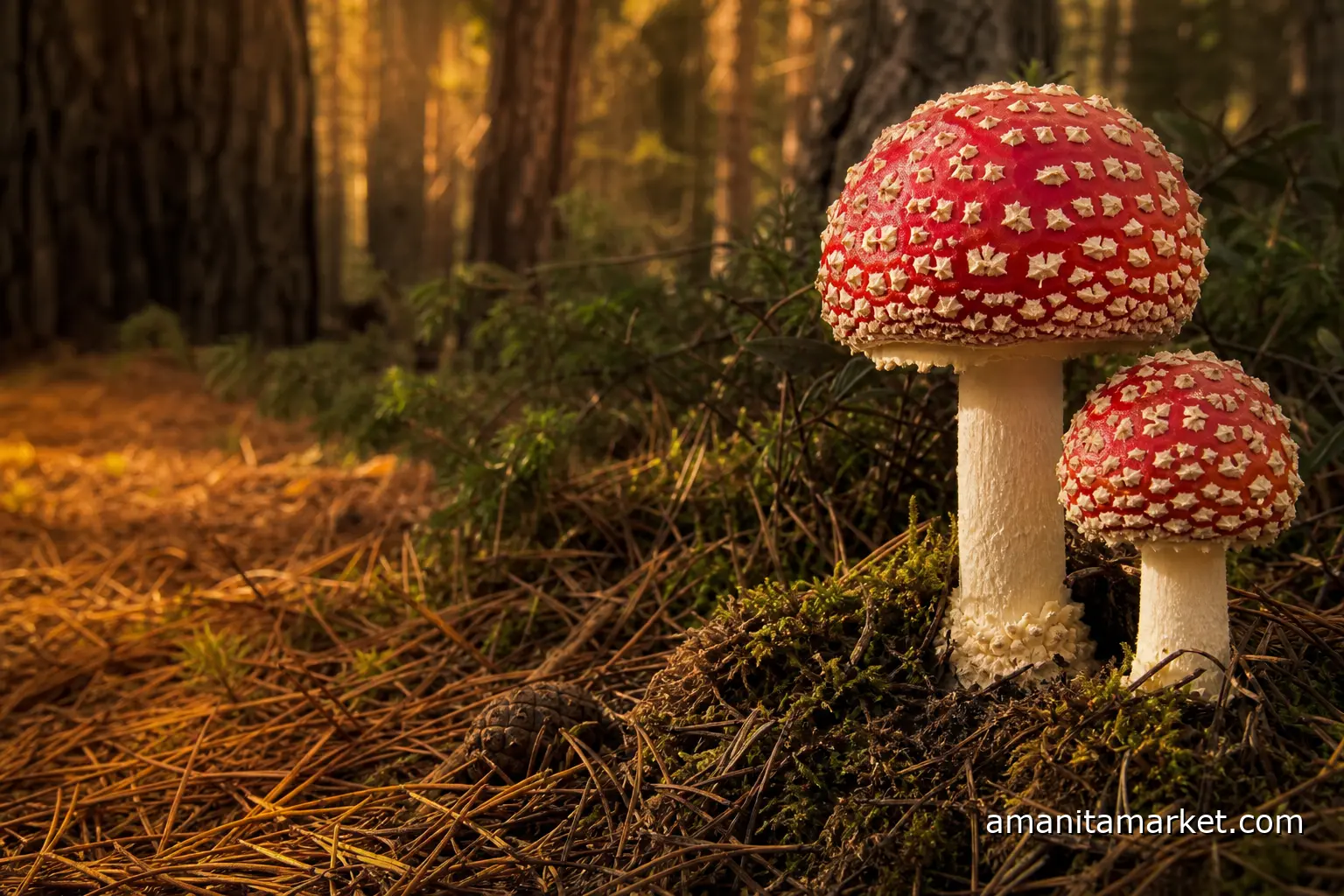
Two Amanita muscaria mushrooms pine forest golden light — amanita muscaria medicinal research overview science

Amanita Muscaria Medicinal Research: A Complete Overview

Amanita muscaria has occupied a unique position in medical history for centuries — documented in folk healing traditions across three continents, investigated by early naturalists and physicians, and now the subject of growing preclinical research into its active compounds. This article provides a comprehensive overview of what the scientific and ethnobotanical literature documents about the […]

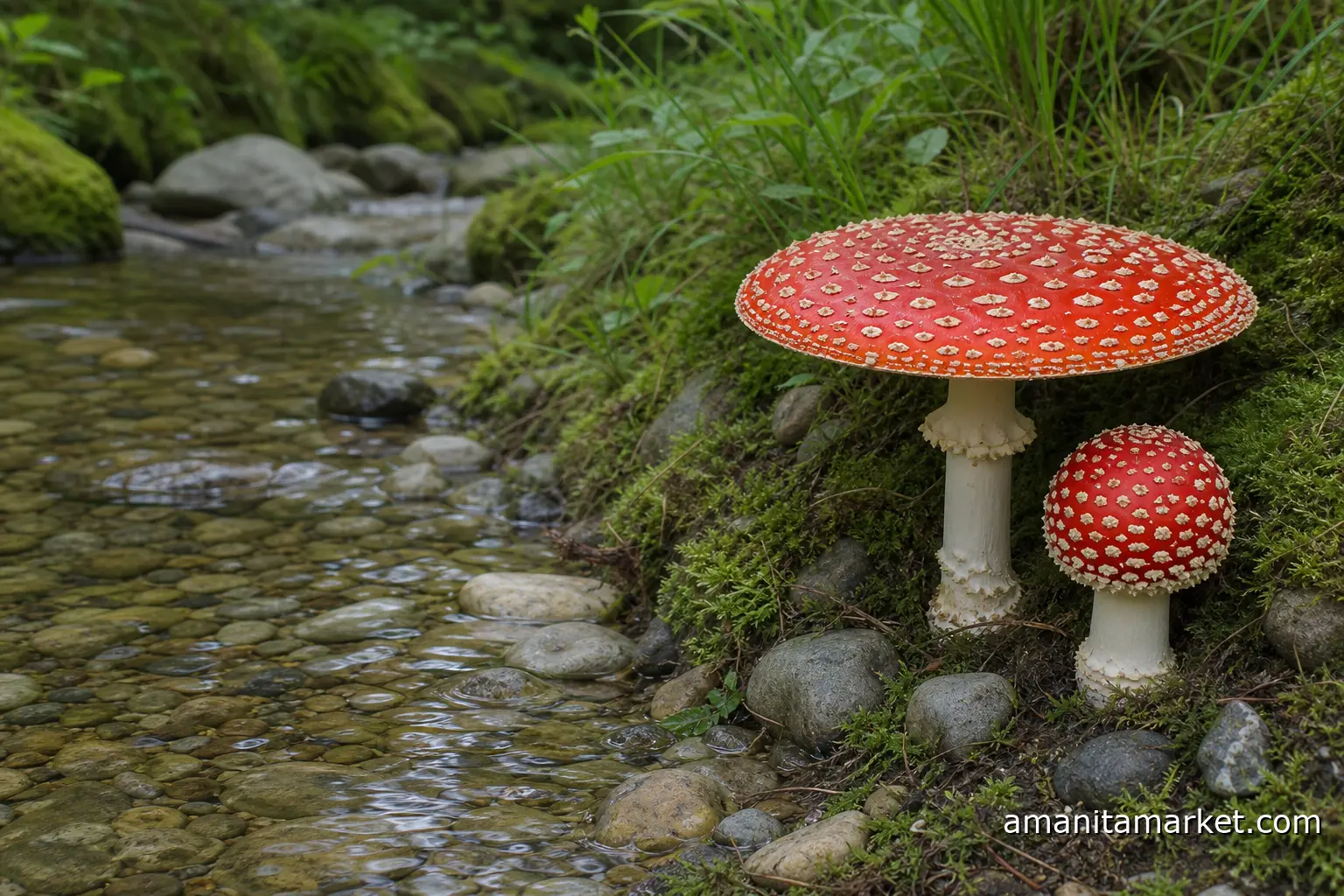
Two Amanita muscaria mushrooms riverbank stream green — muscimol chemistry structure biosynthesis properties

Muscimol Chemistry: Structure, Biosynthesis and Properties

Muscimol is one of the most pharmacologically potent naturally occurring GABA-A receptor agonists known to science. While most research on muscimol focuses on its effects in living organisms, a foundational question underlies all of this work: what exactly is muscimol, and what does science know about its chemistry, metabolism, and behaviour in biological systems? This […]

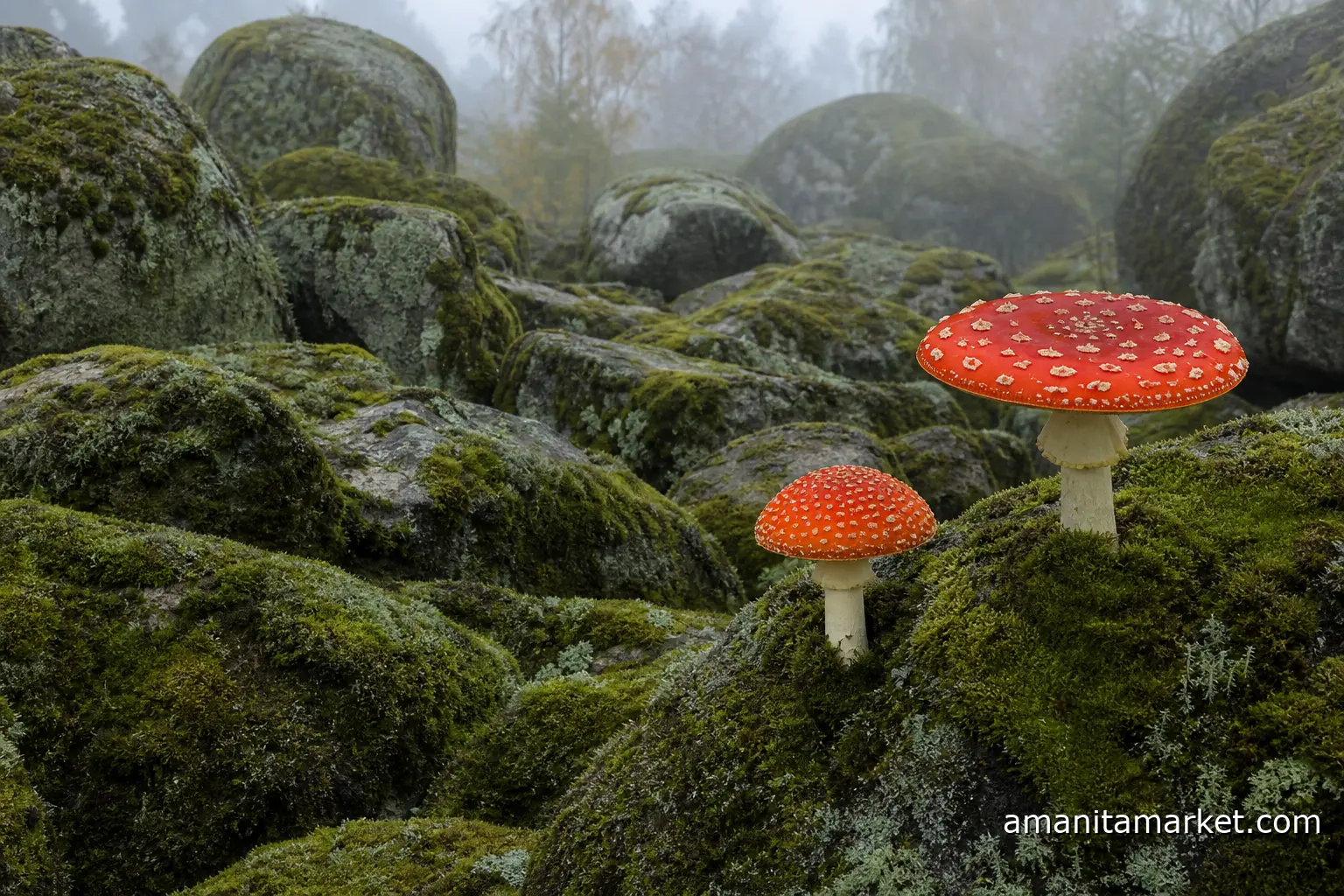
Two Amanita muscaria mushrooms mossy boulders ancient forest — amanita muscaria genetic diversity phylogeography

Amanita Muscaria Genetic Diversity: What DNA Research Reveals

Amanita muscaria is not a single genetic entity — it is a complex of populations that have diverged over millions of years as the species spread across the Northern Hemisphere. Genetic research published in the 2000s revealed that what we call “fly agaric” is actually several cryptic lineages with distinct evolutionary histories, different geographic ranges, […]

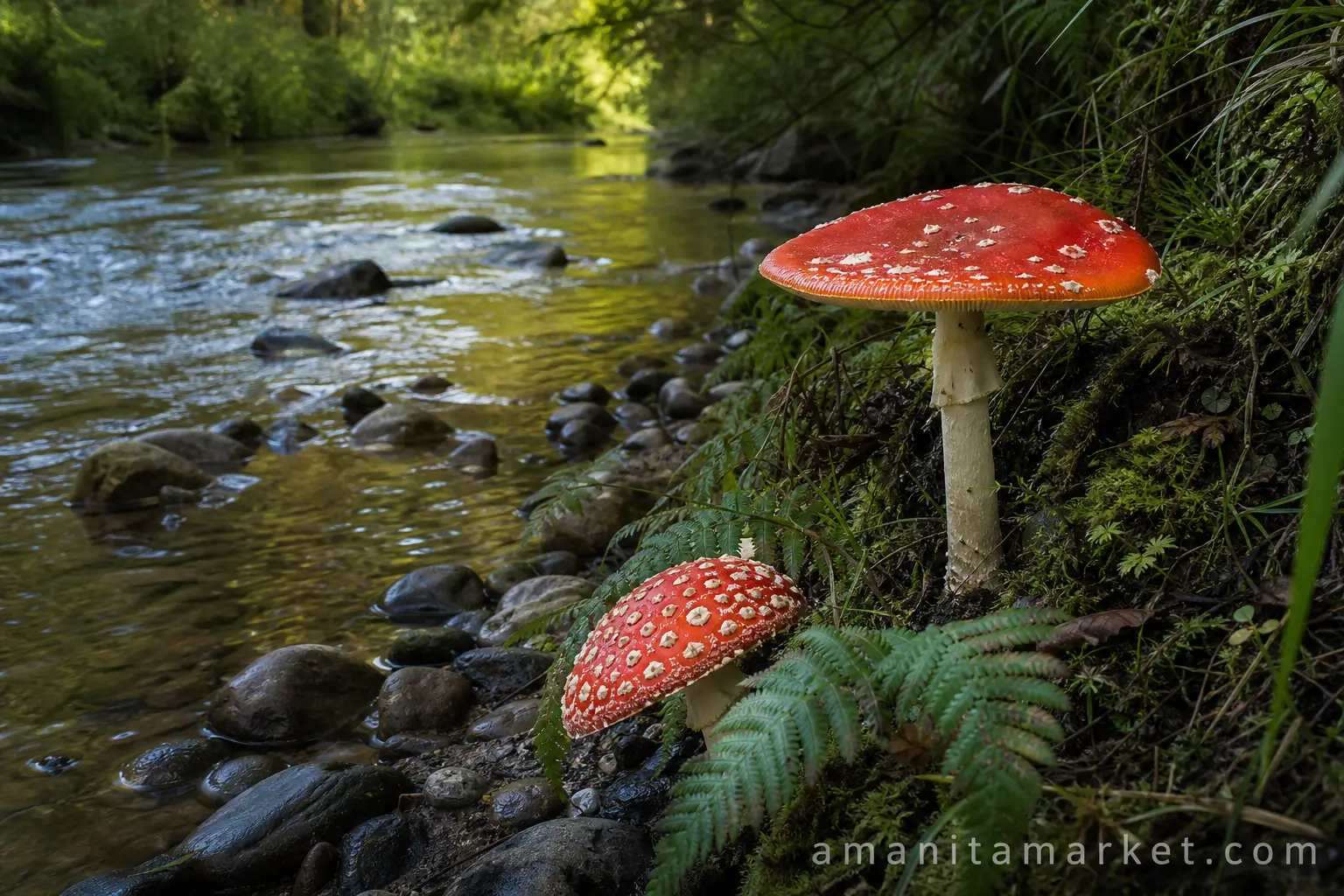
Amanita muscaria mushrooms riverbank stream — Celts druids sacred fungi fly agaric ethnobotany

Amanita Muscaria and GABA: The Complete Neuroscience

GABA — gamma-aminobutyric acid — is the brain’s primary inhibitory neurotransmitter, present in approximately 30–40% of all synaptic connections in the central nervous system. Muscimol, the main active compound in Amanita muscaria, acts directly on GABA-A receptors — the same receptor system targeted by benzodiazepines, barbiturates, and anaesthetic agents. Understanding what GABA does and how […]

Two Amanita muscaria mushrooms highland pine forest golden light — muscimol neuroinflammation microglia research 2023

Muscimol and Neuroinflammation: What the 2023 Research Shows

Neuroinflammation — chronic or excessive activation of the brain’s immune cells — is increasingly recognised as a factor in neurodegenerative diseases, depression, and cognitive decline. Muscimol, the primary active compound in Amanita muscaria, has been investigated in preclinical research for its potential effects on microglial cells — the brain’s resident immune system. This article summarises […]

Two Amanita muscaria mushrooms alpine meadow — ibotenic acid vs muscimol chemistry decarboxylation science

Ibotenic Acid vs Muscimol: Key Differences Explained

Ibotenic acid and muscimol are the two primary active compounds in Amanita muscaria — but they work in completely opposite ways in the brain. Understanding the difference between them is essential to understanding the fly agaric mushroom’s pharmacological profile, why drying matters, and why dried specimens behave differently from fresh ones. This article presents the […]

Two Amanita muscaria mushrooms open hillside panoramic — muscimol neuropathic pain GABA research amanita muscaria

Muscimol and Neuropathic Pain: What the Research Shows

Neuropathic pain — pain arising from damage or dysfunction in the nervous system rather than from tissue injury — is one of the most difficult pain conditions to treat. Standard analgesics are often ineffective, and current treatments leave many patients with inadequate relief. The GABAergic system plays a documented role in neuropathic pain modulation, and […]

Free shipping

On all orders above 90€

Easy 30 days returns

30 days money back guarantee

Ethically Sourced

Wild harvested, pure & natural

100% Secure Checkout

PayPal / MasterCard / Visa