
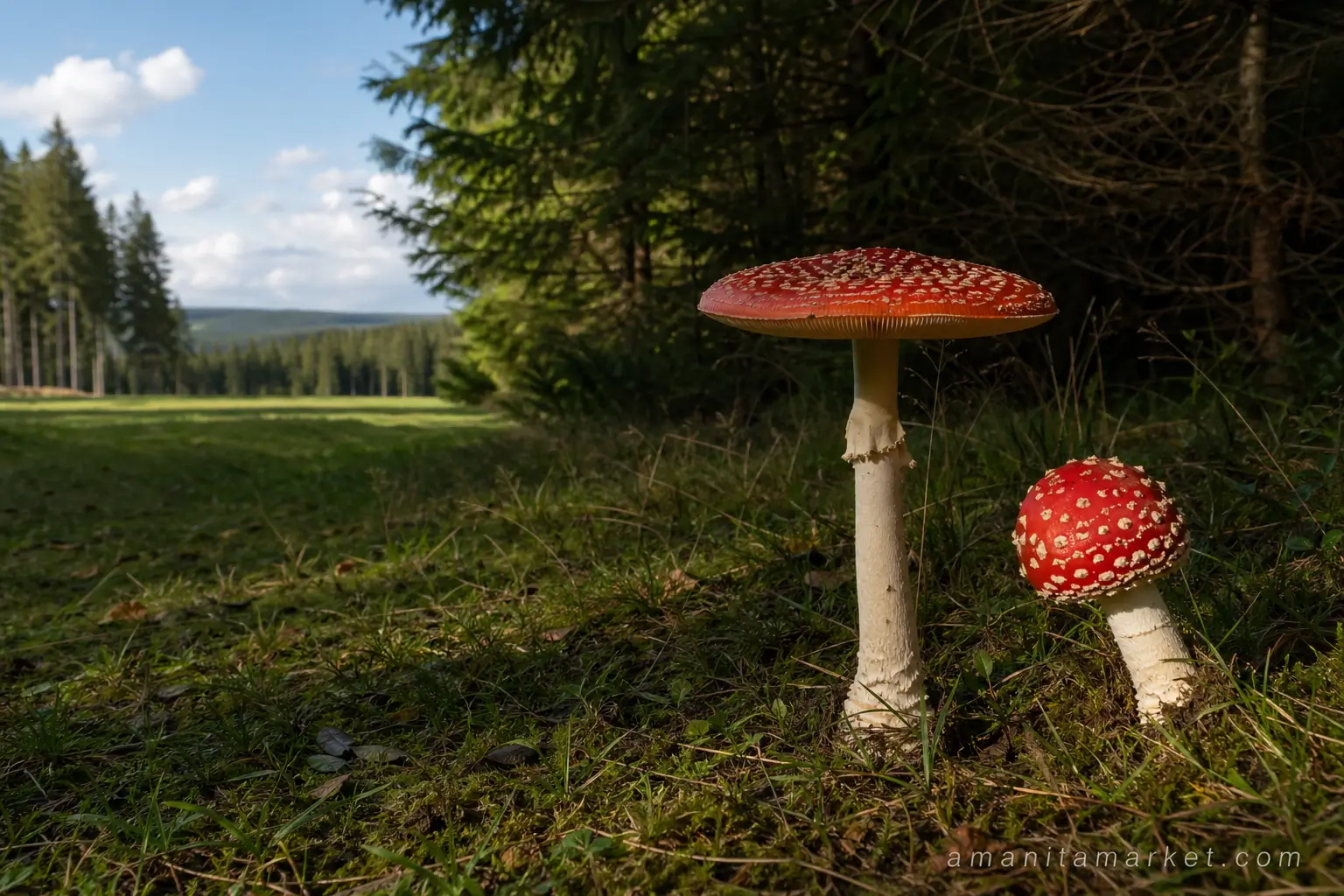
Proper storage is the single most important factor in maintaining the quality of dried fly agaric over time. Amanita muscaria powder and whole dried caps are shelf-stable products — but only if stored correctly. This guide covers everything you need to know about storing dried fly agaric to preserve its quality for up to two years.
Why Storage Matters for Dried Fly Agaric
Dried Amanita muscaria has a moisture content below 10% after correct processing — this is what makes it shelf-stable. The enemy of dried fly agaric is moisture reabsorption. Once a dried botanical absorbs ambient humidity, it becomes susceptible to mould, bacterial growth, and chemical degradation. The active compounds — muscimol and ibotenic acid — are water-soluble and sensitive to prolonged heat and light exposure.
Quality dried fly agaric sourced from a reputable supplier will arrive vacuum-sealed. Once you open the packaging, responsibility for storage passes to you. Following the guidelines below will ensure your product remains in excellent condition throughout its shelf life.
1. Keep it dry — moisture is the primary threat. 2. Keep it dark — UV light degrades organic compounds over time. 3. Keep it cool — not refrigerated, but away from heat sources. A cupboard or drawer at room temperature is ideal.
Best Containers for Storing Fly Agaric
The container you choose makes a significant difference. The ideal container is airtight, opaque or kept in a dark location, and made of a non-reactive material. Here are the best options in order of preference:
Glass jars with rubber-seal lids (such as Weck or Le Parfait jars) are the gold standard. Glass does not absorb odours, does not react with the contents, and seals tightly. A 500ml jar is suitable for 100–150g of powder.
Amber or dark glass jars offer the additional advantage of blocking light without requiring a dark location, though keeping any jar in a dark cupboard is still recommended.
Vacuum-sealed bags — if you purchased your fly agaric in a vacuum bag, you can re-vacuum seal it after each use with a home vacuum sealer. This is particularly useful for larger quantities (250g, 500g).
Ceramic containers with tight-fitting lids are a good alternative to glass — non-reactive, opaque, and airtight if the lid seal is intact.
Avoid plastic containers for long-term storage. Many plastics are permeable to trace gases and can impart odours to sensitive botanicals. Zip-lock bags are acceptable for short-term storage (a few weeks) but not for long-term.
Temperature and Location
Room temperature storage is appropriate for dried fly agaric — you do not need to refrigerate it. The ideal temperature range is 15–22°C. Avoid storing near heat sources such as radiators, ovens, or south-facing windowsills. Avoid also areas with fluctuating temperatures, such as attics or garages, where temperature swings can cause condensation inside the container.
A kitchen cupboard, pantry shelf, or drawer away from the cooker is typically ideal. The inside of a wardrobe is another good option. The key is consistency — a stable, cool, dark environment extends shelf life significantly.
Powder vs. Whole Caps — Storage Differences
Powder and whole dried caps have slightly different storage characteristics. Powder has a larger surface area and is therefore more susceptible to moisture absorption once the container is opened. If you open a jar of powder frequently, consider dividing your stock into smaller portions — keep a small working jar for regular use and larger sealed containers for long-term storage.
Whole dried caps are more robust in terms of handling and retain their quality slightly longer under the same conditions, largely because less surface area is exposed. They also allow visual quality checks — you can inspect cap colour, wart integrity, and surface texture before use. For a comparison of the two forms, see our article on fly agaric powder vs caps.
Discard dried fly agaric if you notice: clumping or caking in powder (moisture ingress), white or green spots on whole caps (mould), sour or off smell (bacterial activity), or very dark brown/black colouration throughout (oxidation or improper original drying).
Shelf Life: How Long Does Dried Fly Agaric Last?
Properly dried fly agaric stored in an airtight container in a cool, dark location will typically retain its quality for 18–24 months from the harvest date. Some suppliers stamp a best-before date on packaging — this is a useful guide but not an absolute limit if storage conditions have been optimal.
The most reliable indicator of quality is sensory: colour (pale golden-ochre to light brown for powder), smell (mild, earthy mushroom aroma), and texture (dry and free-flowing for powder, firm and not brittle for whole caps). If all three are good, the product is likely still in excellent condition regardless of the date on the packaging.
Buying and Storing in Larger Quantities
If you purchase fly agaric in larger quantities — 250g or 500g — divide your stock immediately on arrival. Keep the majority vacuum-sealed or in a large airtight jar, and decant a smaller working portion into a separate container. This limits the number of times the bulk storage is opened and exposed to ambient air, preserving the quality of the main stock.
For more information on purchasing, including what to look for when selecting quality powder, see our fly agaric powder guide. To browse our available sizes, visit our shop — we offer dried amanita muscaria powder from 50g to 500g, all vacuum-sealed for maximum shelf life.
Sources
Find premium fly agaric powder in our shop — ethically sourced, carefully dried, vacuum-sealed and shipped across Europe in sizes from 50g to 500g.